20 Small Sewing Crafts to Sell and Make Money Fast
Your sewing machine can earn its keep. These small sewing crafts to sell are quick to make, cheap to stock, and loved by buyers at craft fairs, online shops, and local markets.
This article shares 20 beginner-friendly projects, from scrunchies and zipper pouches to pot holders, bibs, and heating pads. Each one solves a real problem: a tight budget, a pile of leftover fabric, or not knowing what actually sells. I’ve noticed that small, useful items move faster than big projects, because buyers can grab them on impulse. In my experience, one batch of ten pieces can fit into a single afternoon. Results vary by market and pricing, so start small and test. Scroll through, save your favorites, and pick the idea that suits your skills.
Scrunchie Sets
- Uses a small strip of fabric and a bit of elastic
- Sells well in bundles of three
- Ships flat, so postage stays low
- Easy to batch in under an hour
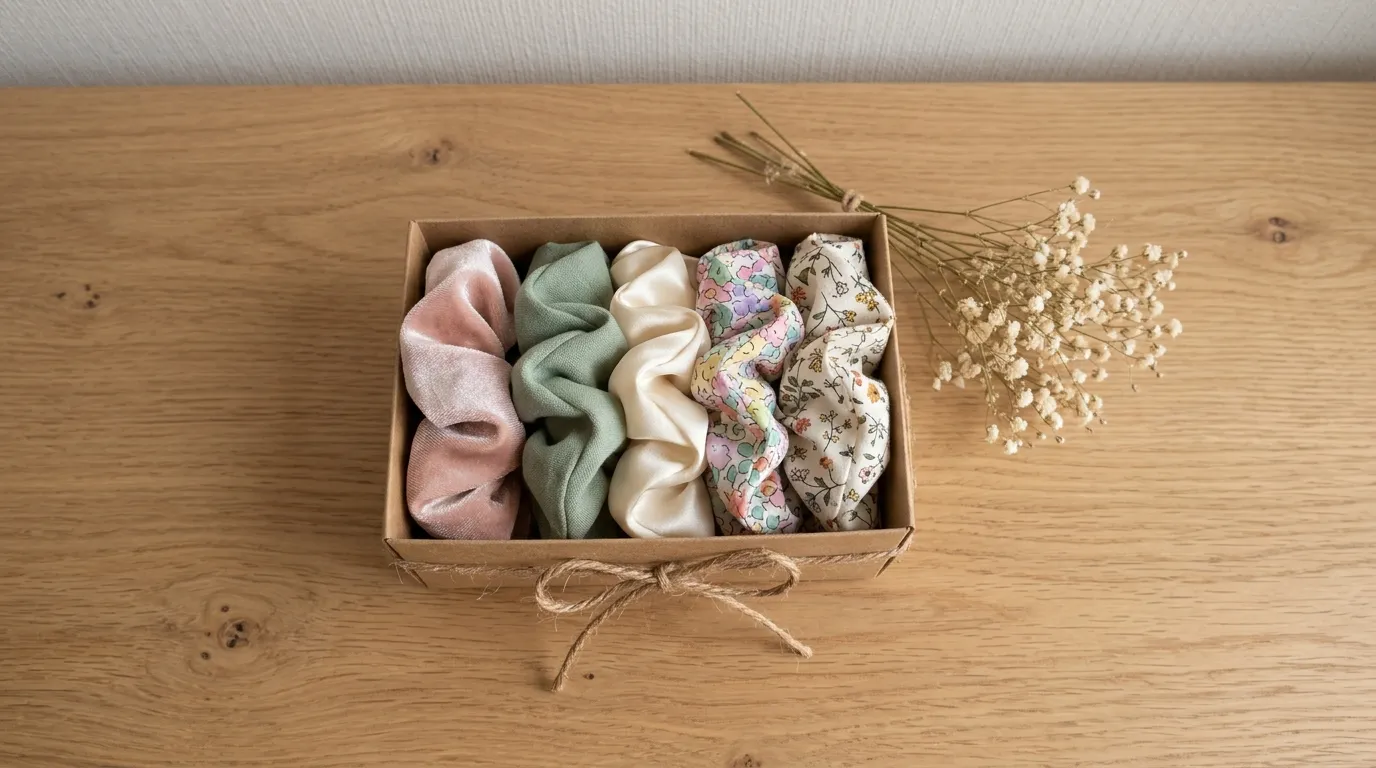
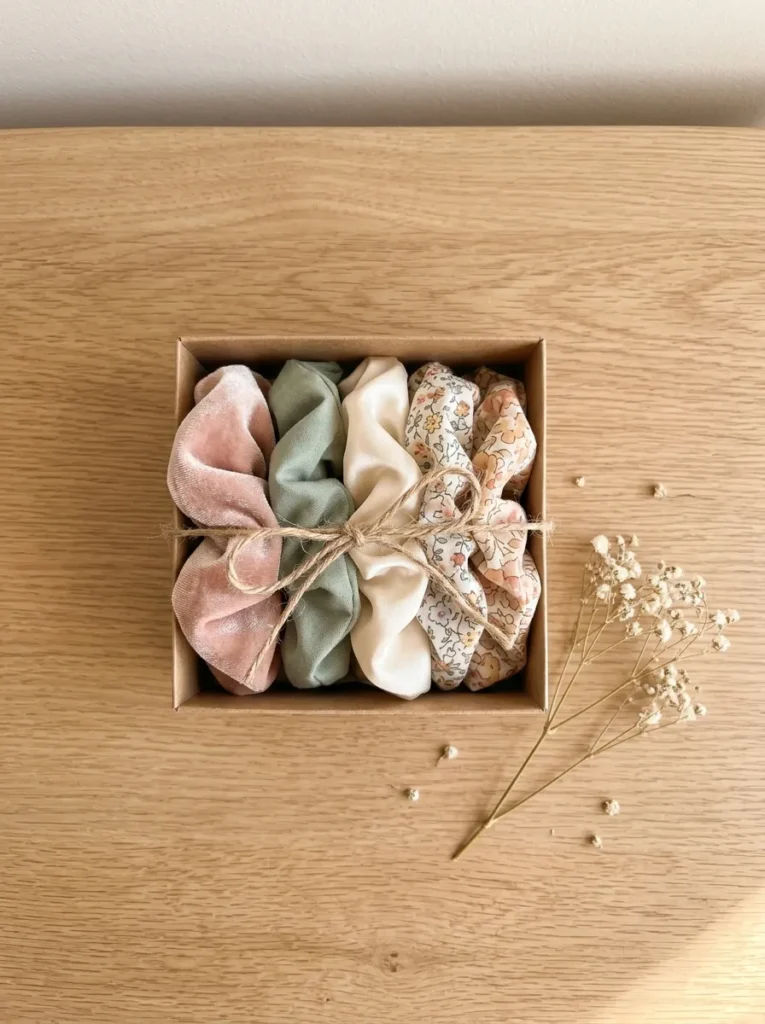
Start with the easiest sale on the list. Scrunchies use a small strip of fabric, a bit of elastic, and about five minutes of sewing. I’ve noticed that buyers love them in sets of three, since a bundle feels like a better deal than a single piece. Velvet, satin, and cotton prints all sell well, especially in soft seasonal colors. Because one yard of fabric makes dozens, your cost per piece stays tiny. They also ship flat, which keeps postage low. This is a smart first product for anyone testing the market.
Speed comes from batching. Cut twenty strips at once, fold each in half lengthwise, and sew them in one long chain without lifting the presser foot. Turn them right side out with a safety pin, thread the elastic, and close the ends. Price a set of three around eight to twelve dollars, depending on fabric and your local market. Add a small card with your shop name, and tie the bundle with twine. Photograph them on a light wood table in natural light. The finished sets look neat, soft, and giftable, and they restock easily when they sell.
Also view: 19 Dollar Tree DIY Crafts Decor Ideas on a Budget
Fabric Coasters
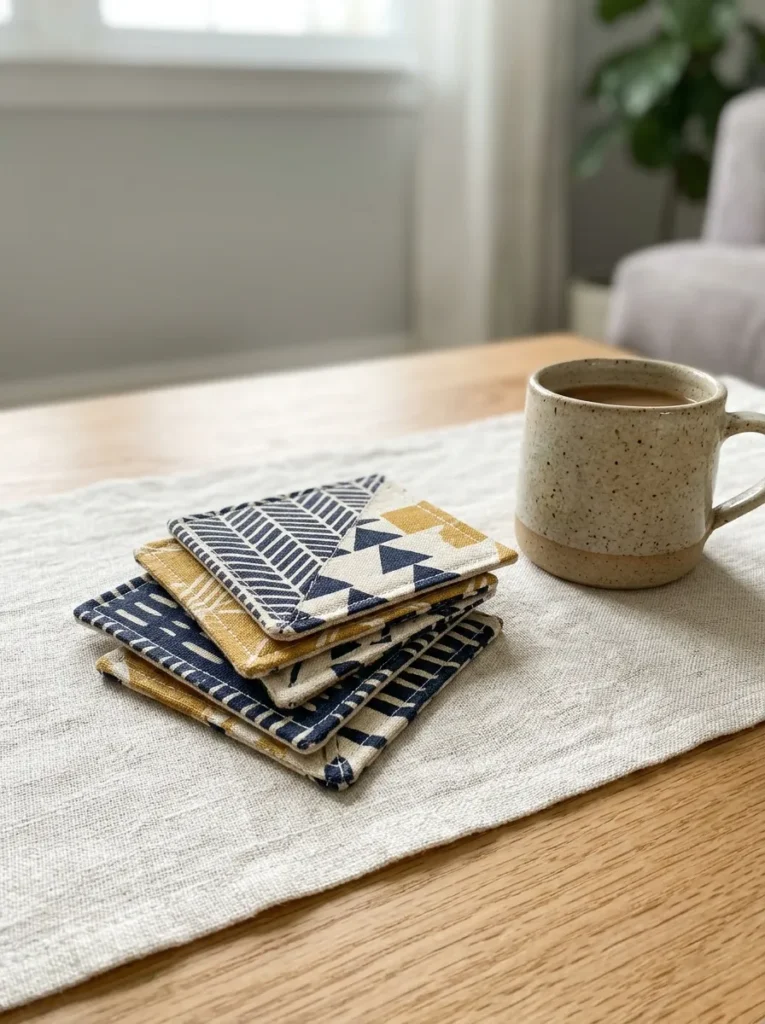
- Uses tiny scraps, so material cost is close to zero
- Sells well in sets of four or six
- Fast to sew in a single batch
- Easy to match with seasonal or holiday prints
Scraps are secret profit. Coasters need only two squares of fabric and a layer of batting, so leftover cotton from bigger projects turns into sellable stock. Sets of four sell quickly at craft fairs, because they are practical, affordable, and easy to pack into a gift. Choose prints that suit a theme, such as florals for spring or plaid for winter. Cream, navy, and mustard look modern against most tables. Since each coaster uses only a few inches of fabric, your cost per set stays very low, and your profit margin stays healthy.
Precision makes them look professional. Cut squares about four inches wide, layer a square of batting between two fabric pieces, and stitch around the edge, leaving a small gap for turning. Clip the corners, turn, press, and topstitch in a contrasting thread. Pressing matters most, because a crisp edge looks store-bought. Use pre-washed cotton so colors never bleed onto a table. Sell them in sets of four or six, and wrap each set with a paper band. The finished coasters look tidy, useful, and giftable, and they sell well as housewarming or hostess presents all year.
Zipper Pouches
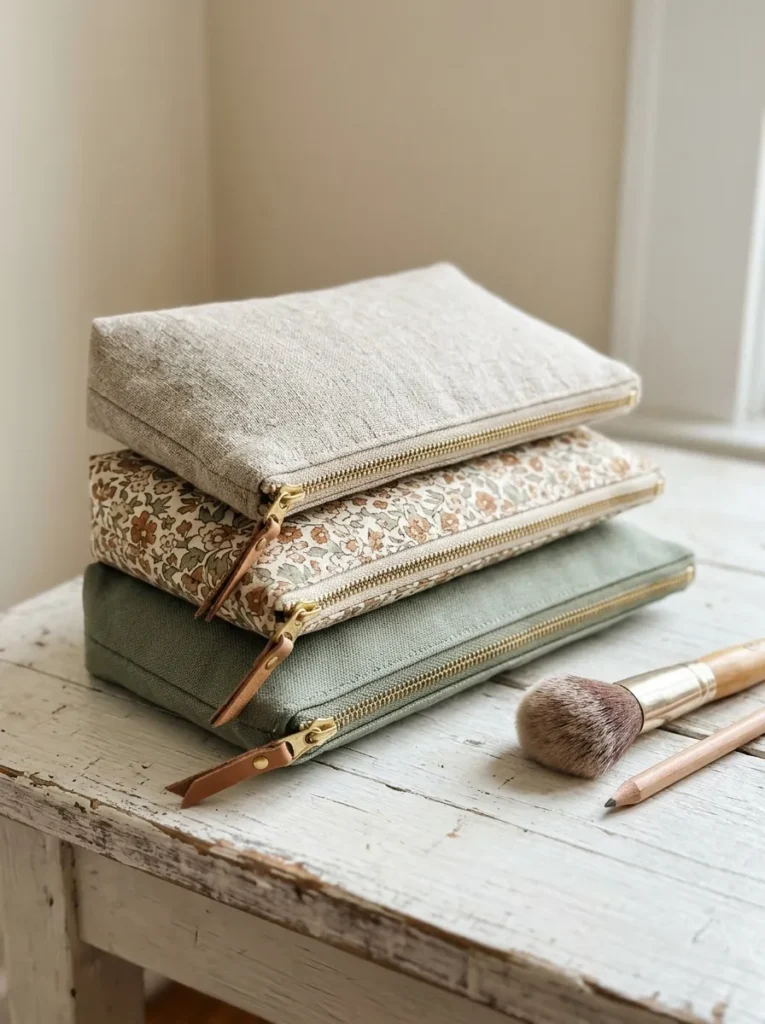
- Works as a makeup bag, pencil case, or cord holder
- Sells at several sizes and price points
- Lining and zipper make it feel high-end
- Great for teacher, student, and travel gifts
One pattern, many buyers. A simple zipper pouch becomes a makeup bag, a pencil case, a cord holder, or a travel pouch, depending on size and fabric. That flexibility makes it one of the most reliable products for a small shop. I’ve noticed that lined pouches with a pretty interior sell faster than plain ones, because the hidden detail feels special. Linen, canvas, and cotton prints in soft tones look polished. Small ones suit a quick sale at a craft fair, while larger ones work as gifts. The same pattern can fill an entire table with variety.
Zippers scare beginners, but the method is simple. Sew the zipper between the outer fabric and lining first, then fold the pieces right sides together and stitch around the edges. Open the zipper halfway before sewing, so you can turn the pouch out. Use a zipper foot and a medium-weight interfacing for a firm shape. Add a small leather tab or ribbon on the pull for a boutique touch. Price pouches by size, and offer matching sets for a higher total sale. The finished pouches look sturdy, clean, and professional, and buyers often return for another.
Reusable Snack Bags
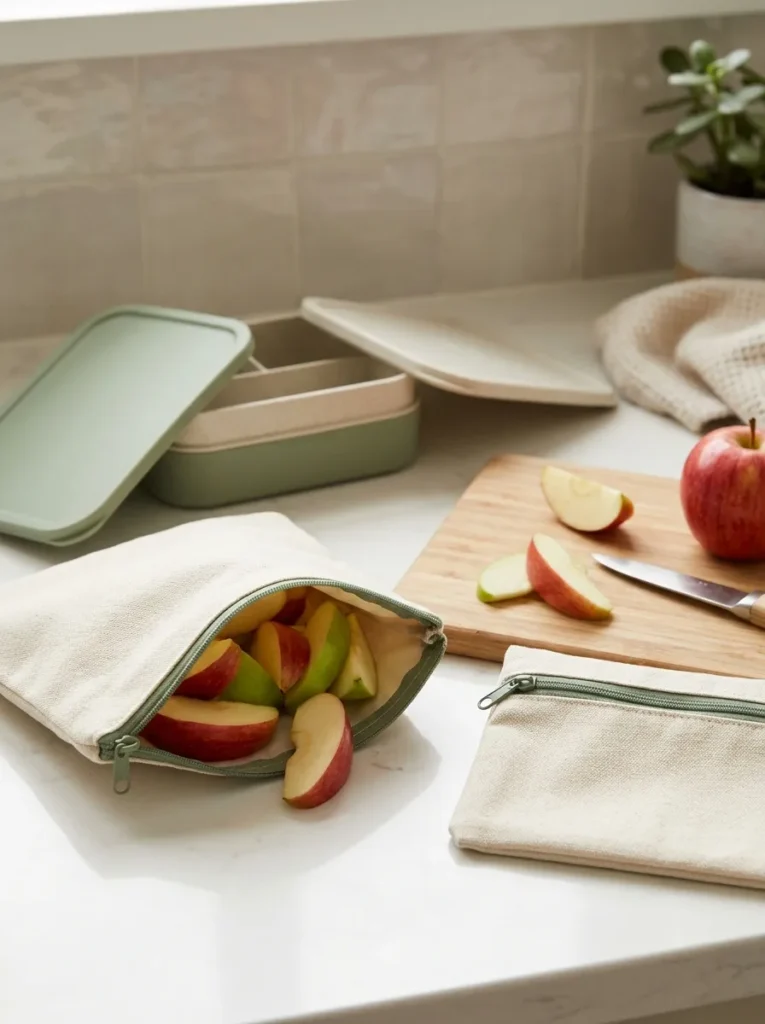
- Appeals to eco-minded buyers and busy parents
- Waterproof lining makes it practical, not just pretty
- Sells in multi-packs for a higher order value
- Washable and reusable for years
Eco-friendly products sell themselves. A reusable snack bag replaces dozens of plastic bags, which appeals to parents, lunch packers, and anyone trying to waste less. Cute prints like fruit, dinosaurs, or soft florals attract different buyers. Multi-packs of three tend to do better than single bags, since families like having a few on hand. Use a food-safe waterproof lining, and always check the label for washing instructions. Keep colors playful for kids and neutral for adults. The bag is simple to sew, small to ship, and useful every day, which makes it a dependable item for any shop.
Material choice matters most here. Use food-safe PUL fabric or a laminated cotton for the lining, and sew with a longer stitch length so the needle holes stay small. Add a zipper or a hook-and-loop closure that little hands can open. Round the corners slightly, because they wash and wipe clean more easily. Test one bag with real snacks and a full wash cycle before you list it. Take bright photos with a snack inside to show size. The finished bags look fresh, cheerful, and practical, and they give buyers a clear reason to switch.
Mini Tote Bags
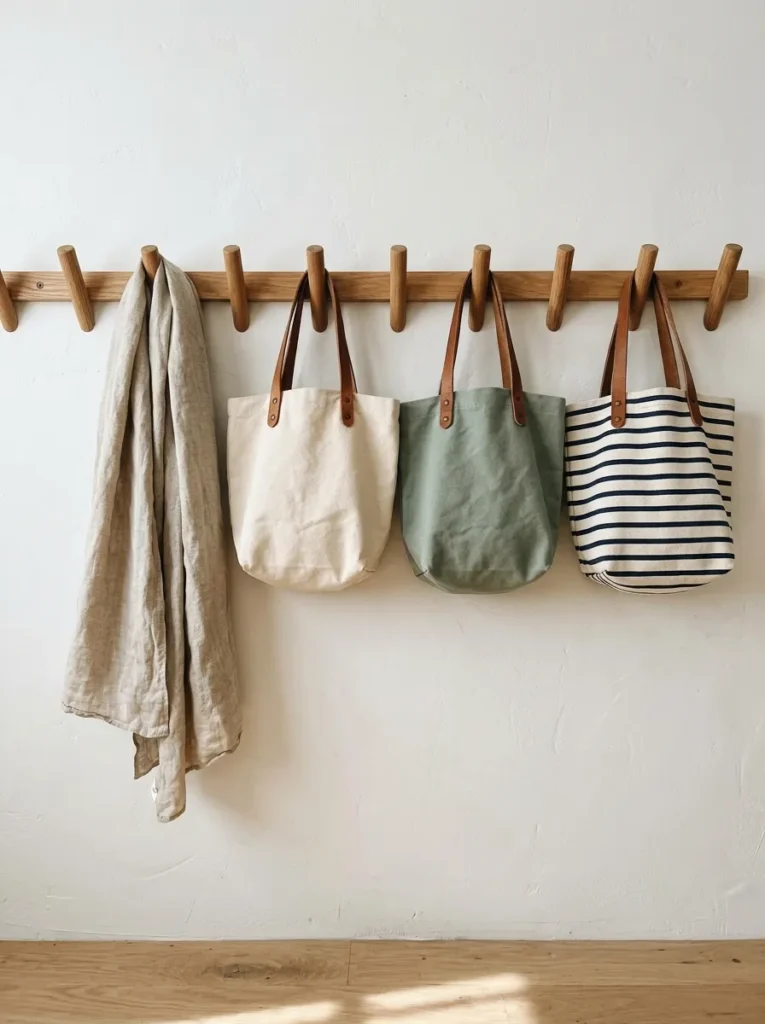
- Simple rectangles with straps, perfect for beginners
- Strong demand for gift, market, and book bags
- Custom prints or patches raise the price
- Uses sturdy canvas that holds its shape
Totes never go out of style. They are simple rectangles with straps, yet buyers pay well for sturdy, well-made ones. Market bags, book totes, and small gift bags all sell at different price points. In my experience, a tote with a neat lining and an inside pocket sells faster than a plain one. Choose canvas, denim, or linen for strength, and keep the palette neutral for wider appeal. Add a small patch, embroidery, or fabric tag to make your shop recognizable. A tote is a beginner-friendly project that still looks professional on a craft table.
Strength lives in the straps. Cut handles about two and a half inches wide, fold them in thirds, and topstitch both edges. Attach them with a box-and-X stitch, a small square crossed by diagonal lines, which keeps the bag from tearing under weight. Press every seam as you go, since heavy fabric needs it. Add an inside pocket for keys and a phone. Keep the size small, around twelve by fourteen inches, so it sells as an everyday carry. The finished totes look sturdy, clean, and stylish, and they hold up well when customers use them daily.
Quilted Pot Holders
- A steady seller for holidays and housewarmings
- Cotton batting and insulated lining make it truly useful
- Pairs sell well as a matched gift set
- Uses basic quilting skills only
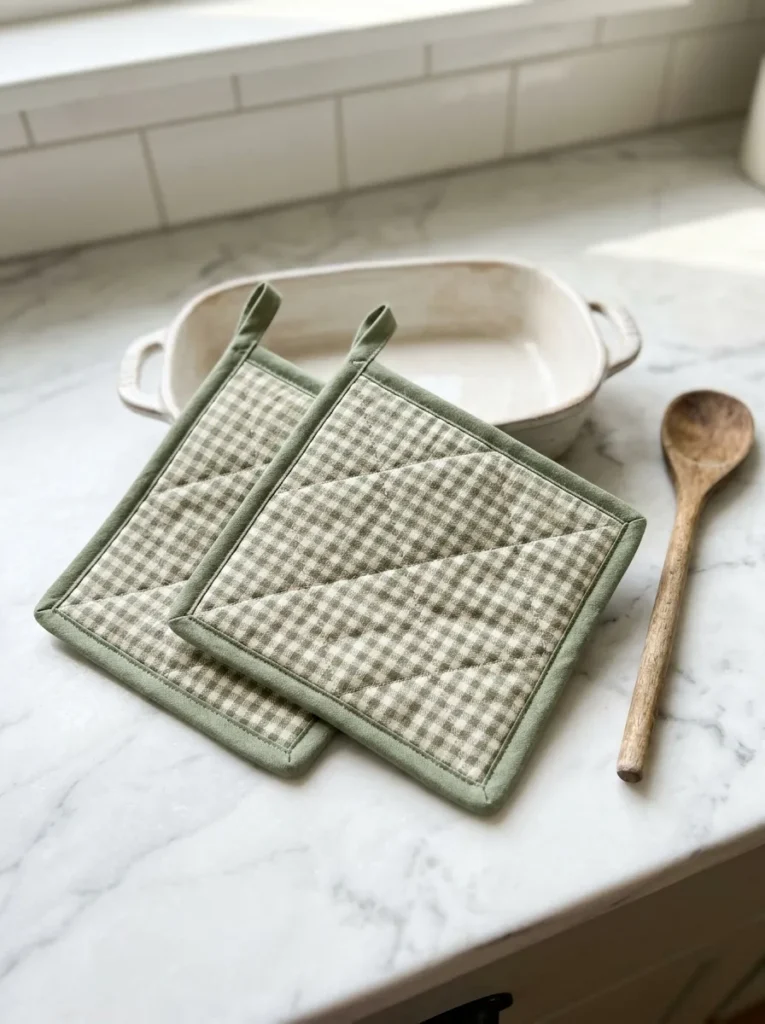
Kitchens always need new potholders. Quilted pairs in gingham, floral, or holiday prints sell steadily, especially around Thanksgiving and Christmas. Buyers like matching sets of two, since a pair feels like a ready-made gift. Pick cotton fabrics that can handle heat, and add an insulated lining for real protection. Add a small hanging loop in the corner so they can sit on a hook. Potholders are affordable, practical, and easy to describe in a listing, which helps them sell without long explanations. They also reward you with repeat customers who want new patterns each season.
Safety makes the sale. Layer two cotton pieces with a sheet of heat-resistant batting, such as cotton or insulated lining, and quilt them with simple diagonal lines. Avoid polyester batting, which can melt under high heat. Finish the edges with bias binding for a clean, durable border. Pre-wash all fabrics to prevent shrinking later. Test a sample with a hot pan to confirm it holds up. Include care instructions on a small tag. The finished pot holders look cozy, polished, and trustworthy, and customers appreciate a product that is both attractive and built to last through daily cooking.
Hair Bows
- Tiny supplies, tiny shipping costs
- Hugely popular for girls, teens, and gift baskets
- Easy to mix velvet, linen, and seasonal prints
- Sells well on display cards
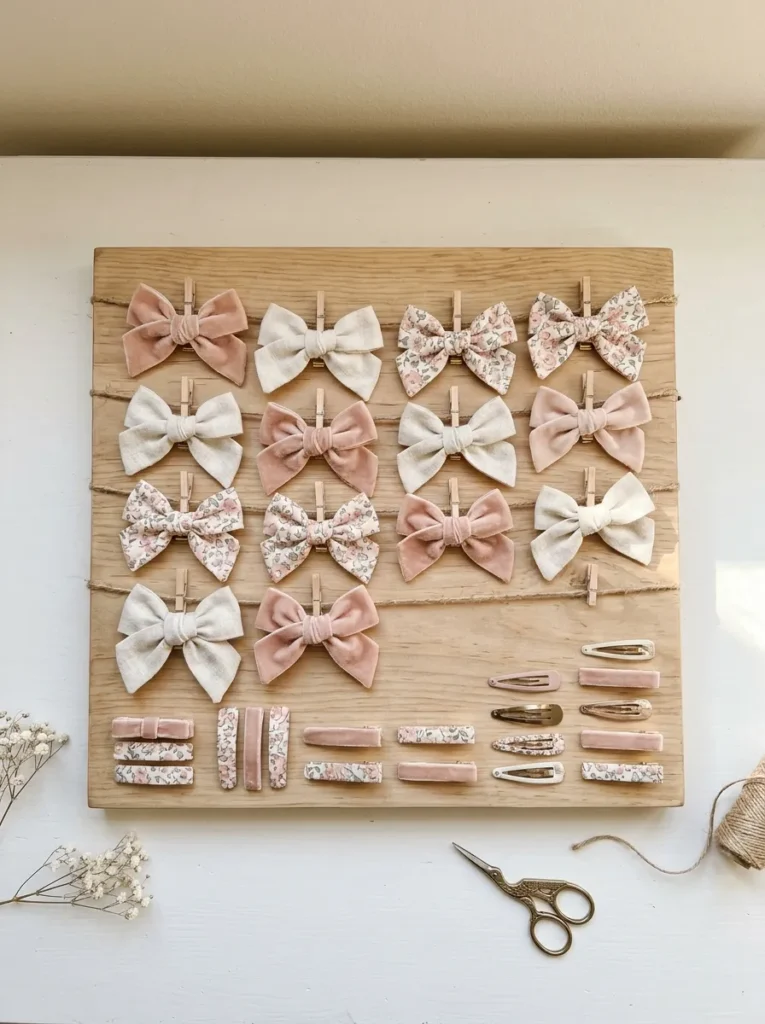
Small accessories sell faster than big projects. Fabric hair bows use scraps, a clip, and a few stitches, so the investment is tiny. Parents buy them for school, birthdays, and photos, and teens love oversized styles. I’ve found that velvet and soft linen bows in muted tones often outsell loud prints. Seasonal colors, like red for Christmas and pastels for Easter, boost sales at the right moment. Mount each bow on a clip card for a neat display. Because they weigh almost nothing, shipping stays cheap, which keeps your profit higher on every order.
Shape comes from layering. Cut a large rectangle for the bow, a smaller strip for the center wrap, and a tail piece. Fold, pinch the middle, and wrap the center tightly with the strip. Glue or stitch the back, then attach the tails behind the knot. Add a hair clip or elastic with a small stitch for strength. Stiffen thin fabric with light interfacing so the loops stay full. Make five at a time, and sort them by size for your display. The finished bows look cute, lightweight, and polished, and they make easy add-on sales.
Drawstring Gift Bags
- Reusable alternative to wrapping paper
- Sells in sets of six or ten
- Quick to sew with straight lines only
- Peak demand during holidays and weddings
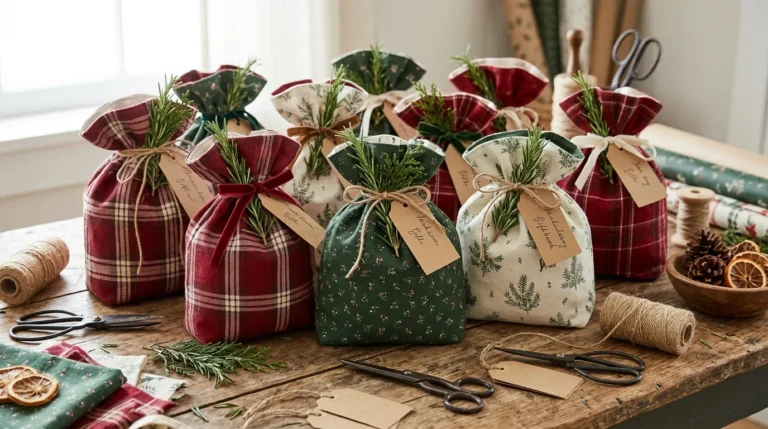
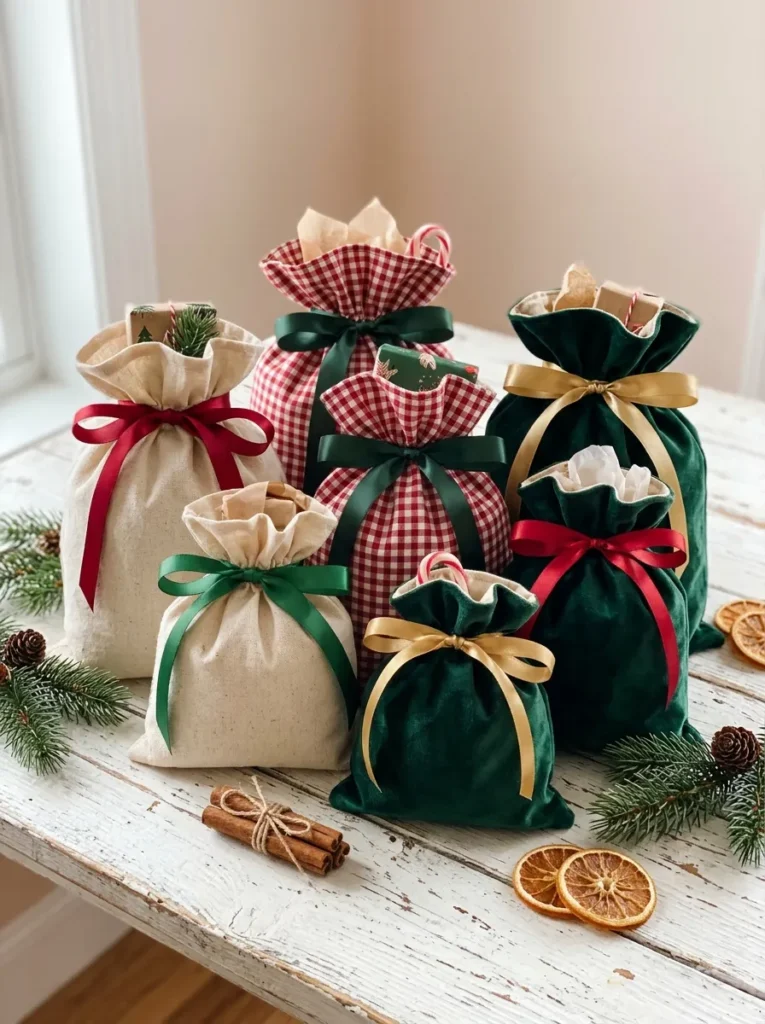
Wrapping paper ends up in the trash, but a fabric bag gets reused. Drawstring gift bags in muslin, velvet, or gingham give buyers a zero-waste way to wrap presents. Holiday seasons, weddings, and birthday parties drive steady demand. Sets of ten in neutral colors suit people who give favors in bulk. Straight seams and a simple casing make them one of the fastest projects on this list. Because you can sew dozens in a single afternoon, they suit shoppers who want to buy several at once, which raises your order size and your profit.
Construction is wonderfully simple. Fold the top edge of a rectangle over twice to make a casing. Stitch it down, leaving the side seams open at the casing for the cord. Sew the side and bottom seams, trim the corners, and turn the bag right side out. Thread ribbon or cord through the casing with a safety pin. Pick a standard size, such as five by seven inches, so buyers can plan their gifts. Finish the raw edges with pinking shears or a zigzag stitch. The finished bags look soft, festive, and reusable, and they pack flat for shipping.
Fabric Bookmarks
- Uses the tiniest scraps
- Perfect for readers, teachers, and gift baskets
- Quick to make in batches
- Light enough to mail in a regular envelope
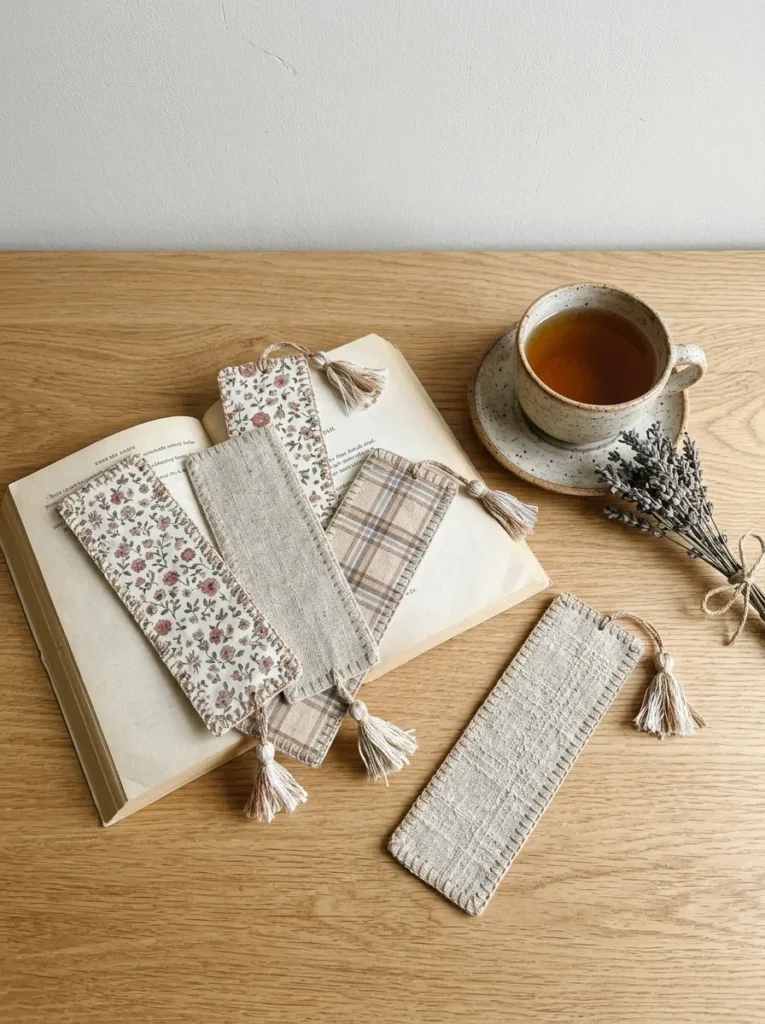
Readers love small treasures. A fabric bookmark takes only a scrap of cotton or linen, yet it feels more personal than paper. Add an embroidered initial, a tiny tassel, or a floral print, and it becomes a gift people keep. Teachers, book clubs, and new readers make great buyers. Bundles of three in a coordinated palette tend to sell better than singles. They are light enough to mail in a regular envelope, so shipping stays cheap. A small shop can build a whole product line from one fabric pile, and each piece takes only minutes to finish.
Stiffness keeps a bookmark flat. Cut two strips about two inches wide and seven inches long, and fuse one with medium-weight interfacing. Place them right sides together, stitch around the edge, and leave a small gap for turning. Clip the corners, turn, press, and topstitch the opening closed. Add a loop of embroidery thread for a tassel at one end. For a finishing touch, stitch a short word or a small flower in the center. Display them on a card or in a small jar. The finished bookmarks look neat, charming, and personal, and they make easy impulse purchases.
Lavender Sachets
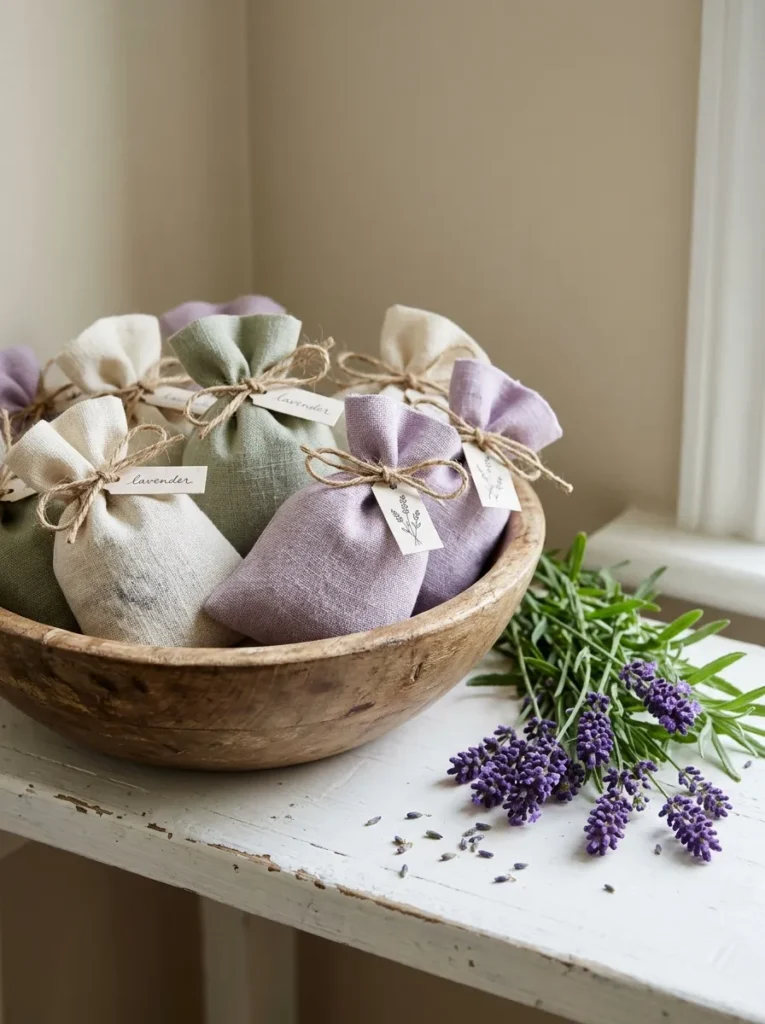
- Gentle scent adds a spa feel
- Great for drawers, pillows, and closets
- Uses fabric scraps and cheap dried herbs
- Easy to sell in sets with a small tag
Scent turns fabric into a gift. Lavender sachets slip into drawers, closets, and suitcases, leaving a calm, fresh smell behind. They are tiny to sew and easy to sell in sets of three. In my experience, buyers love them as thank-you gifts, since they feel thoughtful without being expensive. Use linen or cotton in soft shades like cream, sage, and lilac. Add a small tag that says what it is and how to refresh it. Because they are light and flat, they ship well. They suit craft fairs, boutiques, and online shops that focus on calm, cozy products.
Fill and seal with care. Cut two rectangles about three by four inches, sew three sides, and turn them right side out. Spoon in dried lavender buds using a small funnel, then stitch the opening shut with a neat hem. Use tightly woven fabric so buds do not escape. Choose culinary-grade or craft lavender from a trusted seller. Add a few drops of lavender oil to refresh the scent after a few months. Note that some people have sensitivities, so label the contents clearly. The finished sachets look sweet, soft, and calming, and they suit any gift basket.
Pin Cushions
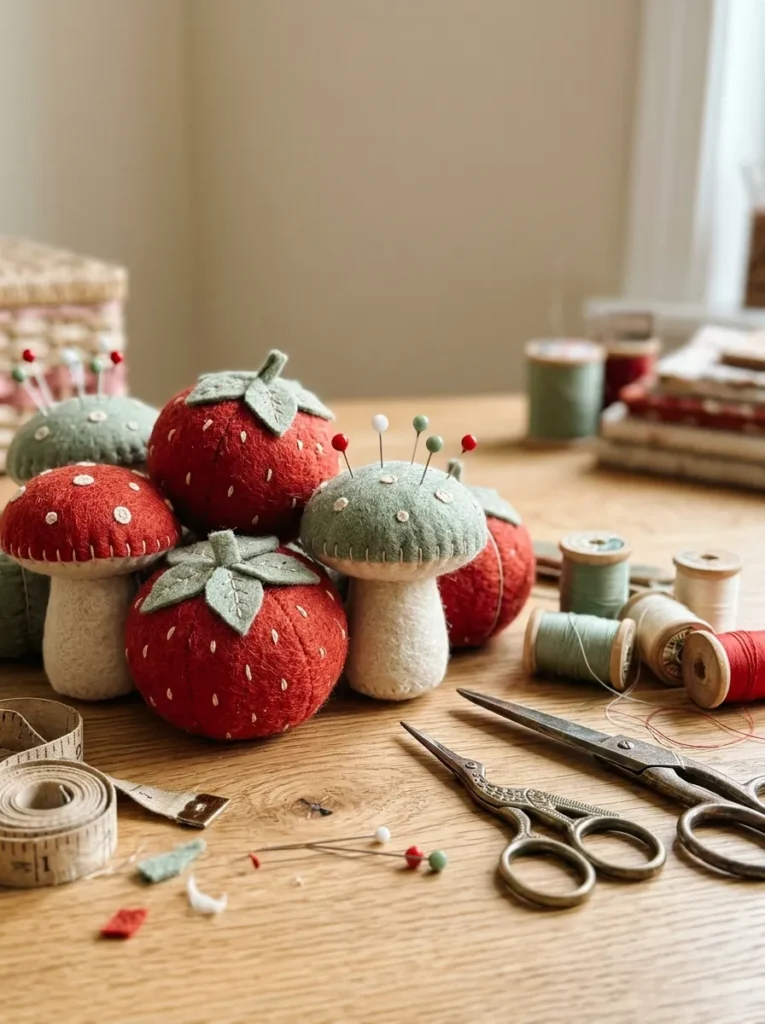
- Appeals to sewists, quilters, and gift buyers
- Cute shapes like fruits and mushrooms sell well
- Small enough to finish in one sitting
- Stuffing and felt cost almost nothing
Sewists love buying for other sewists. A pin cushion shaped like a strawberry, mushroom, or tiny cake makes a perfect gift for anyone who stitches. Felt is forgiving, needs no hemming, and holds its shape well. Cute shapes tend to outsell plain squares, since people want a piece that looks good on the sewing table. Fill each cushion with polyfill, wool stuffing, or crushed walnut shells for weight. Add tiny stitched details, such as seeds or a smiling face. They are small, quick to make, and ideal for craft fairs and quilting groups.
Cute is easy to build. Cut two circles for the base and a long strip for the side, or use a simple fruit template. Stitch the pieces together by hand with a blanket stitch, leaving a small opening. Stuff firmly, because a loose cushion makes pins hard to push in. Close the gap, then add a little felt leaf or button on top. Use wool felt rather than thin craft felt, since it holds pins better and lasts longer. Price them by size and detail. The finished cushions look cute, tidy, and useful, and sewists often buy two.
Mug Rugs
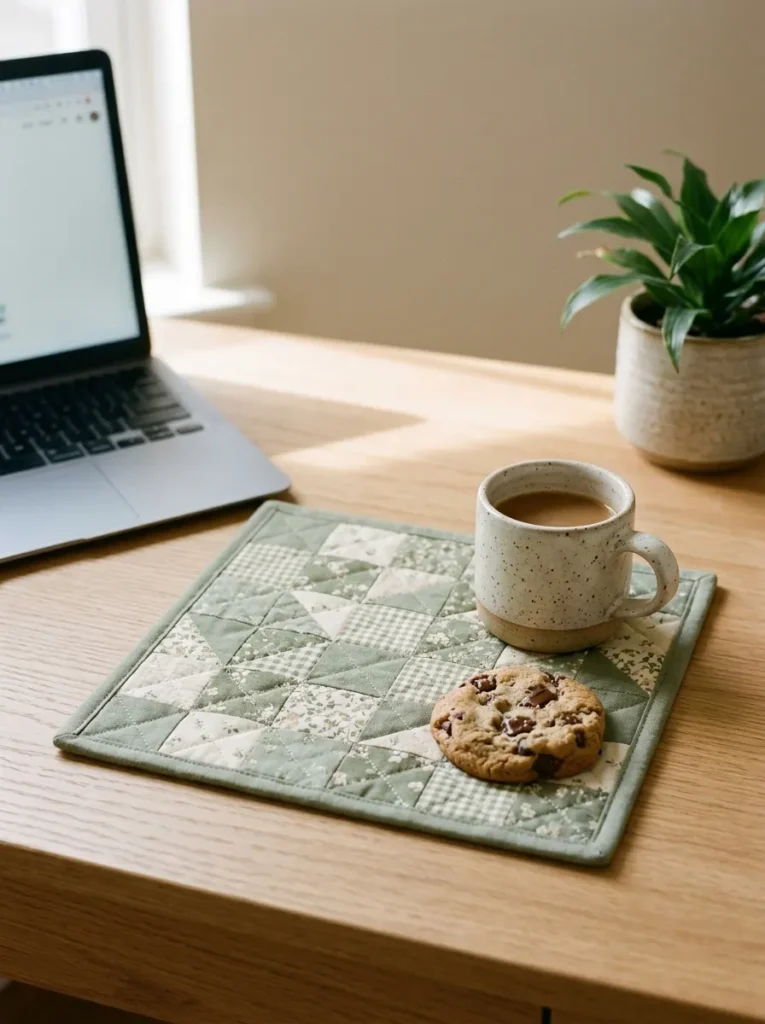
- A beginner-friendly quilting project
- Perfect for coffee lovers and office gifts
- Uses leftover strips from larger quilts
- Sells well at holiday markets
Coffee breaks deserve a little charm. A mug rug is a small quilted mat with room for a mug and a snack, and it makes a lovely gift for coworkers, teachers, and neighbors. Patchwork designs use the scrap strips that pile up after bigger quilts. These sell well at holiday markets, because buyers can grab one in seconds. Choose a cozy palette of sage, cream, and mustard for a modern look. They are quick to sew, easy to ship, and flexible enough to match any season, which keeps the product line fresh without extra effort.
Patchwork is easier than it looks. Sew simple strips together to make a top about six by ten inches. Layer it with batting and a backing fabric, then pin flat. Stitch around the edges, leaving a gap, turn it, and topstitch around the border. Quilt a few straight lines through the middle to hold the layers in place. Press it, since flat rugs look professional. Use pre-washed cotton, and choose a low-loft batting so the surface stays level for a mug. The finished mug rugs look cozy, tidy, and giftable, and they make a quick seller.
Bandana Bibs
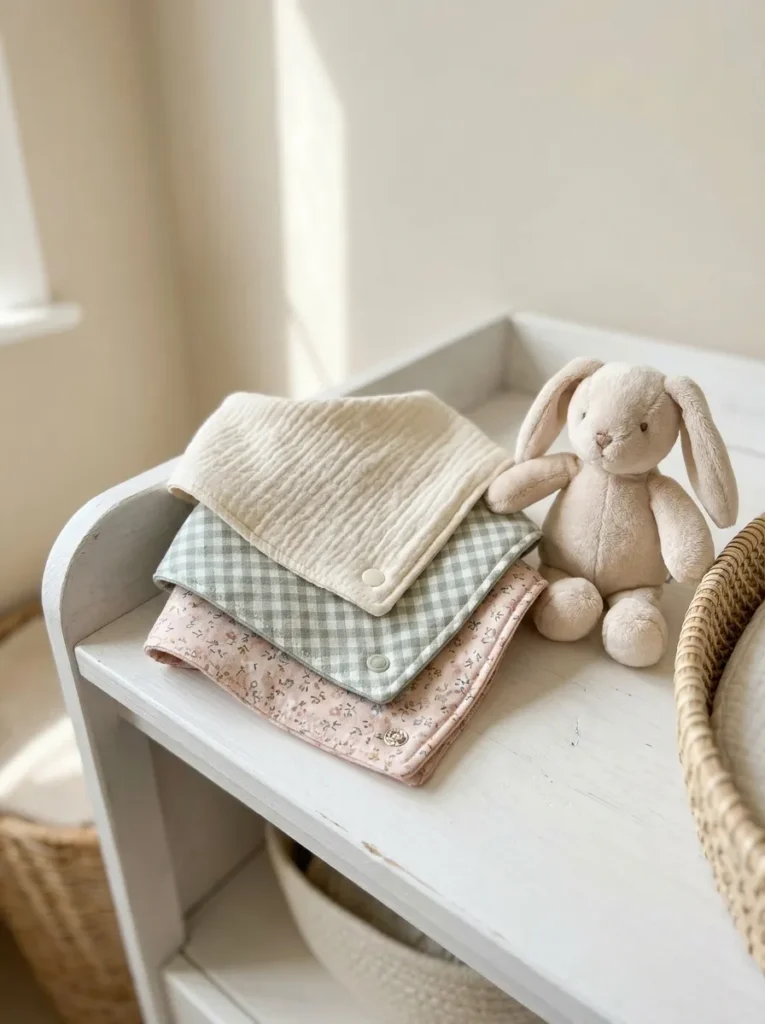
- Always in demand for baby showers
- Two-layer cotton absorbs drool well
- Sells in sets of three
- Quick to sew with a simple triangle
Baby gifts sell all year. A bandana bib is a simple triangle with a snap, and new parents love how soft and absorbent it feels. Baby showers and first birthdays bring steady demand. Gender-neutral prints in cream, sage, and soft yellow appeal to many buyers. Muslin and cotton jersey feel gentle on delicate skin and wash well. Sell them in sets of three for a more complete gift. Because each bib uses very little fabric, your cost stays low. Parents often come back for more, since babies go through them quickly, and that helps build loyal customers.
Safety comes first with baby items. Use soft, tightly woven cotton, and check your local rules for children’s products, since some regions require testing and labeling before you sell. Cut two triangles, stitch them right sides together, and leave a gap for turning. Turn, press, and topstitch the edges. Attach a snap or a hook-and-loop closure at the back, and avoid ties, buttons, or loose trims that could become a choking hazard. Pre-wash fabric to remove chemicals and prevent shrinking. The finished bibs look sweet, soft, and practical, and parents trust a seller who explains the materials and care.
Key Fob Wristlets
- Useful for keys, cards, and badges
- Hardware makes it look store-bought
- Strong seller for teachers and nurses
- Small enough to sew in under thirty minutes
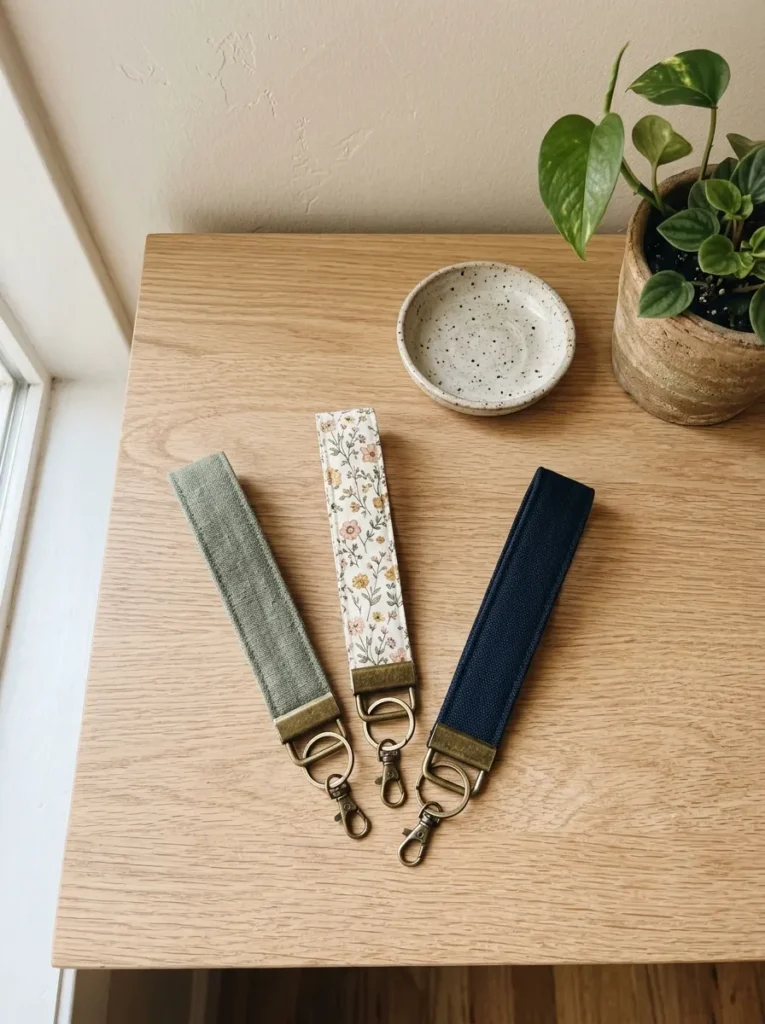
Keys vanish in bags, but a bright wristlet is easy to find. A fabric key fob uses a strip of cotton, a swivel clasp, and a ring, and it turns an everyday item into a small style piece. Nurses, teachers, and students love them for badges and keys. In my experience, fobs in cheerful prints sell well near checkout areas, because they are impulse-friendly. Choose sturdy webbing as a base, and top it with printed fabric for color. They are small, quick to sew, and ship easily, which makes them a handy extra for any shop.
Webbing gives it strength. Cut a strip of cotton about two inches wide and twelve inches long, fold the long edges to the center, then fold again around a length of one-inch webbing. Topstitch both edges for a firm strap. Slide on a swivel clasp, fold the ends together, and sew a strong box stitch across. Add a split ring for keys. Test the strap by tugging it firmly, because customers will pull on it daily. Choose fabric with a tight weave that resists fraying. The finished fobs look practical, bright, and neat, and they display well.
Eyeglass Cases
- A steady gift for parents and grandparents
- Padded lining protects glasses
- Sells well at craft fairs and church markets
- Easy to personalize with initials
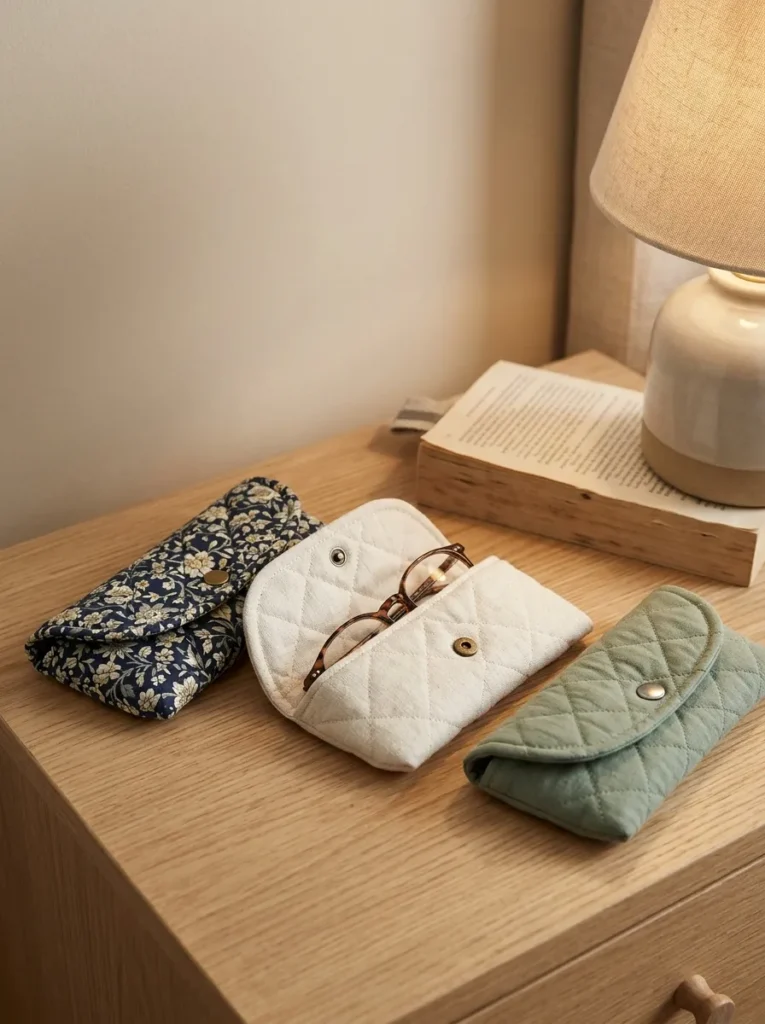
Everyone with glasses needs a safe place for them. A quilted case with soft lining protects lenses from scratches, and it makes a thoughtful gift for parents, grandparents, and teachers. Older buyers often appreciate sturdy snaps and simple designs, while younger ones love bold prints. Offer a sunglasses size and a reading-glasses size to cover both markets. Add a small embroidered initial for a personal touch. Neutral florals, linen, and soft checks suit most tastes. The case is a useful, repeatable product, and customers often buy extras for family, which lifts your average order.
Padding is the secret. Cut an outer piece, a lining piece, and a layer of fusible fleece, each about eight by seven inches. Fuse the fleece to the lining, sew the pieces right sides together along the long sides and one short end, then turn and press. Fold the open end inward and topstitch it closed with a snap or magnetic closure. Keep the lining smooth so lenses never meet rough seams. Test the fit with a pair of full-size glasses. The finished cases look polished, protective, and thoughtful, and they feel good in the hand.
Fabric Storage Baskets
- Storage products sell year-round
- Nesting sets raise the price per order
- Works for nurseries, bathrooms, and shelves
- Sturdy interfacing keeps the shape
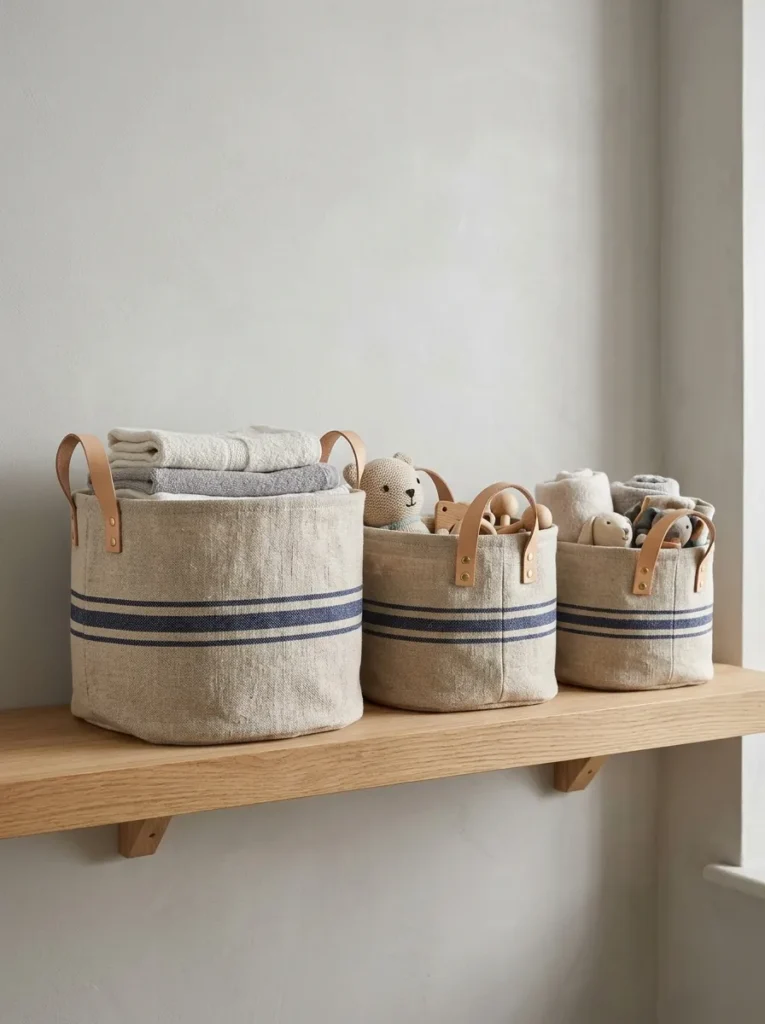
Storage never goes out of season. Fabric baskets help with toys, towels, yarn, and bathroom supplies, and buyers love a set that nests neatly. In my experience, a set of three in graduated sizes earns more per sale than a single basket, because it solves several problems at once. Choose strong fabrics, such as canvas or linen, and add leather or rope handles for a stylish finish. Stripes, solids, and gingham suit most homes. Baskets take a little more fabric than other crafts, so price them to match, and show them styled with real items in photos.
Structure comes from interfacing. Cut two outer pieces and two lining pieces, then fuse heavy interfacing to the outer fabric. Sew the sides and bottom, then box the corners by pinching the seam into a triangle and stitching across it. Repeat for the lining, nest it inside, and fold the top edge over for a neat cuff. Add handles by sewing short loops to each side before closing. Make sizes that nest, such as small, medium, and large. The finished baskets look soft, sturdy, and organized, and they work in nurseries, entryways, and living rooms alike.
Rice Heating Pads
- Reusable warmth for cold nights and sore shoulders
- Peak sales in fall and winter
- Needs only fabric, rice, and straight seams
- Lavender or flax makes it feel spa-like
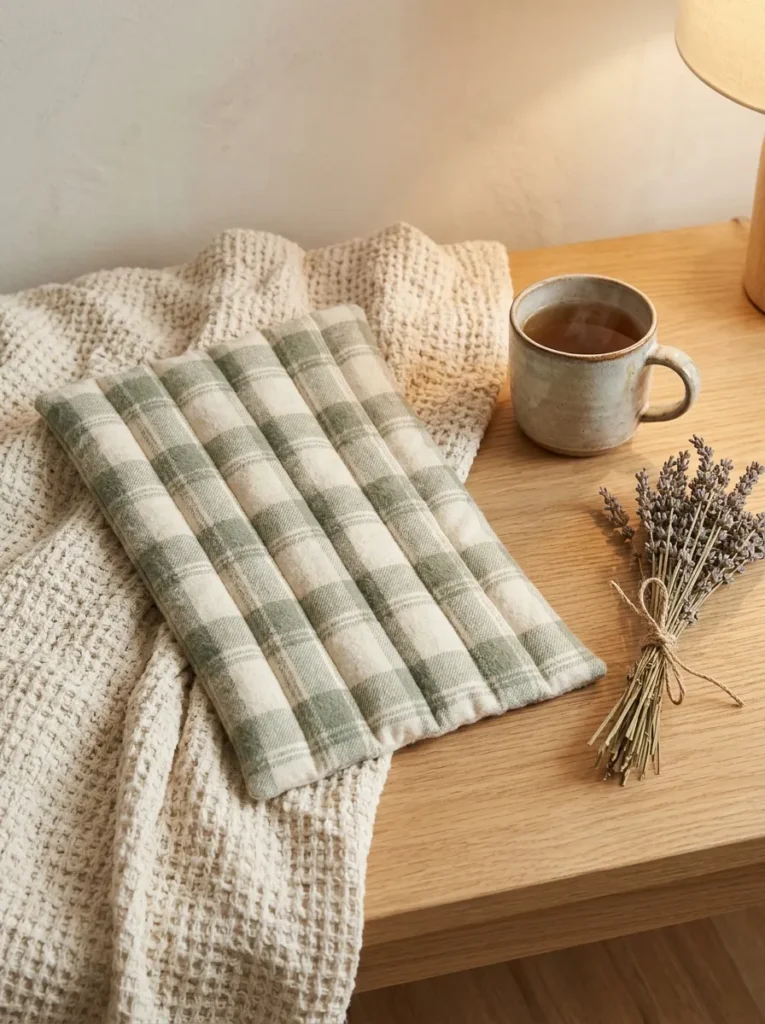
Cold weather brings steady buyers. A rice heating pad warms in the microwave and brings comfort to sore shoulders, cold feet, and chilly nights. Because demand peaks in fall and winter, it fits well into a seasonal shop. I’ve seen flannel and cotton versions in calm plaids sell quickly at holiday markets. Offer a neck wrap, a rectangle, and a mini hand warmer for different price points. Lavender can add a gentle scent, though some buyers prefer unscented. The pad is easy to sew, only needs basic supplies, and gives customers something they will reach for again and again.
Safety matters with anything heated. Use 100 percent cotton fabric and cotton thread, since synthetic materials can melt in the microwave. Fill each channel with uncooked rice or flax seed, about two cups for a standard pad. Sew channels so the filling spreads evenly, then close the opening with tight stitches. Include clear instructions on a tag: heat in short intervals, check the temperature, and never leave it unattended. Keep it away from young children and anyone with reduced sensation. The finished pads look cozy, soft, and thoughtful, and customers appreciate clear, honest labeling that keeps them safe.
Pet Bandanas
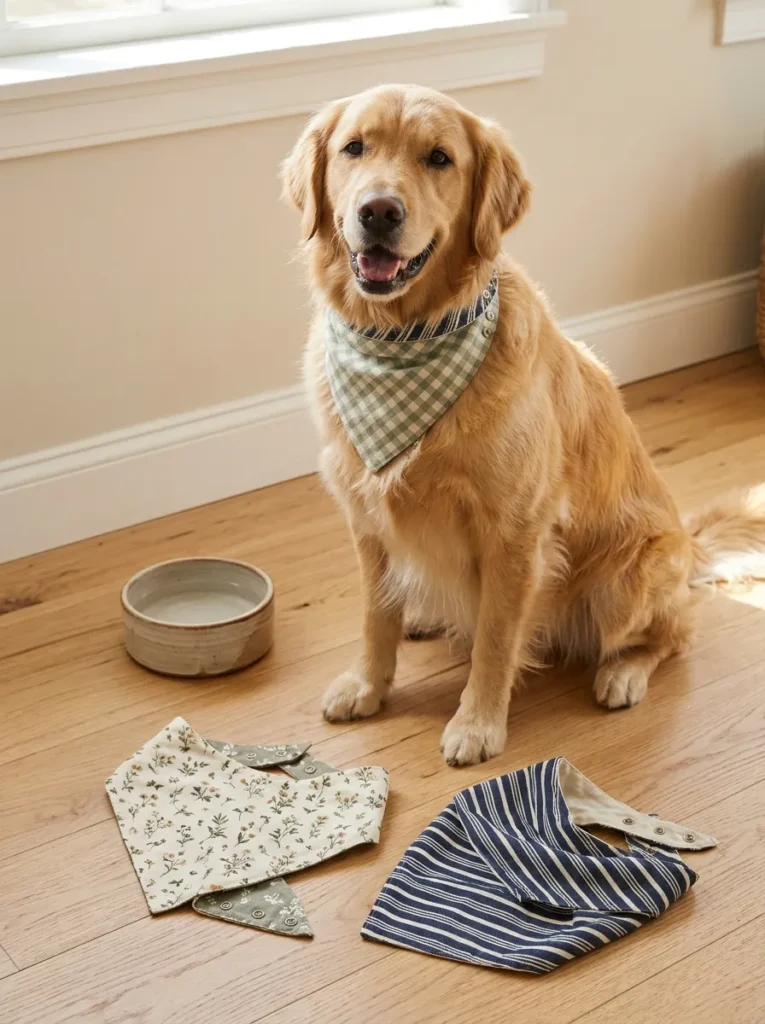
- Pet owners love dressing up their dogs
- Reversible designs give two looks in one
- Tiny fabric use, quick sewing
- Seasonal prints sell fast for holidays
Pet lovers spend generously on their furry family. A reversible bandana turns a walk or a holiday photo into a small celebration. Dog owners look for fun prints, soft fabrics, and secure fits, so a well-made bandana stands out. Seasonal prints, like pumpkins in fall and snowflakes in winter, often create bursts of sales. Offer small, medium, and large sizes with clear measurements in each listing. Snap closures or a simple slip-over design keep things easy. They are quick to sew, use little fabric, and make charming gifts for new pet parents and birthday pups.
Fit and fabric decide comfort. Measure your dog’s neck, then cut a triangle with a small allowance for seams. Use two layers of soft cotton for a reversible look, stitch them right sides together, and turn. Topstitch the edges and add a snap or hook-and-loop closure at the back. Avoid small beads, buttons, or loose trims that a pet could chew off. Pre-wash the fabric so the bandana stays soft. Include a size chart and a note that pets should be supervised while wearing accessories. The finished bandanas look cute, comfy, and cheerful, and they delight pet owners.
Reusable Cotton Rounds
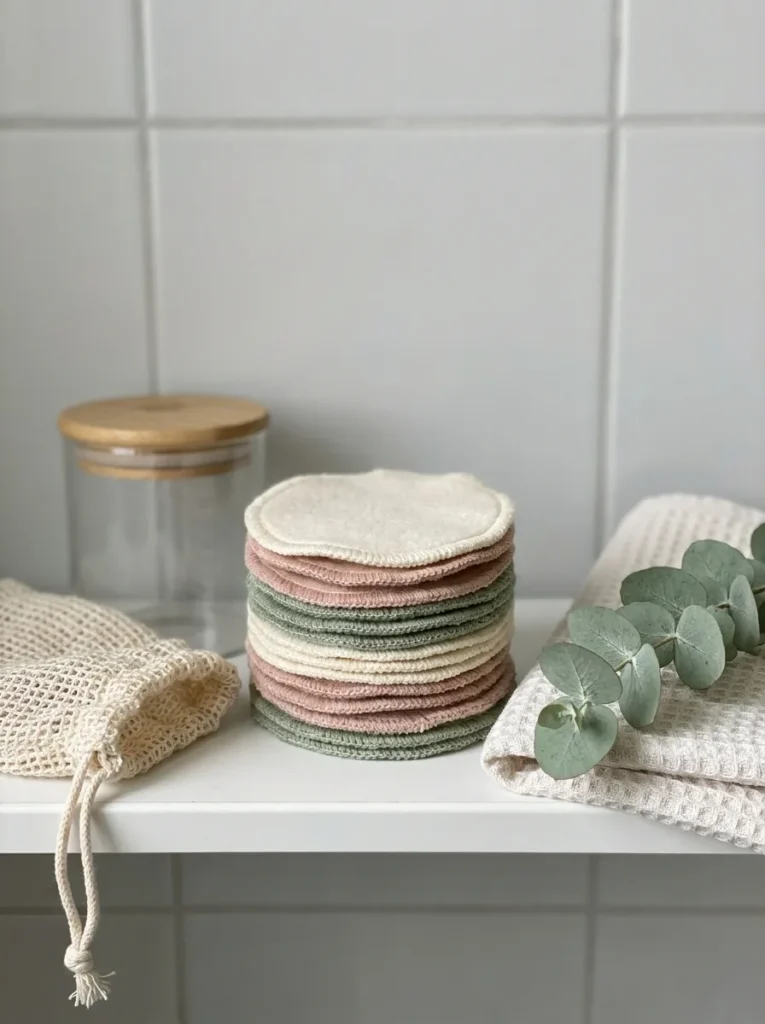
- Replaces disposable cotton pads
- Sells in sets of ten or twelve
- Bundles with a mesh wash bag for easy care
- Uses soft flannel and terry scraps
Small and sustainable is a winning mix. Reusable cotton rounds replace disposable pads for makeup removal and toner, and buyers who care about waste love them. Flannel, bamboo terry, and soft cotton are gentle on skin. I’ve tried making a set from old flannel sheets, and the rounds felt softer than store-bought pads. Sell them in packs of ten or twelve with a small mesh wash bag for easy cleaning. Soft pastel colors suit a calm bathroom look. Because the pieces are tiny, you can sew dozens from one yard of fabric, and the profit adds up quietly.
Layering gives the softness. Cut two circles about three inches wide, one from flannel and one from terry, and place them together. Use a zigzag stitch around the edge to prevent fraying, and press them flat. Make an extra batch for color-coded sets, such as pink for toner and cream for makeup. Pre-wash everything to avoid shrinking. Tell customers to rinse the rounds after use and wash them in the mesh bag with gentle detergent. The finished rounds look neat, soft, and eco-friendly, and they pair beautifully with a small jar or pouch for storage.
Twist Headbands
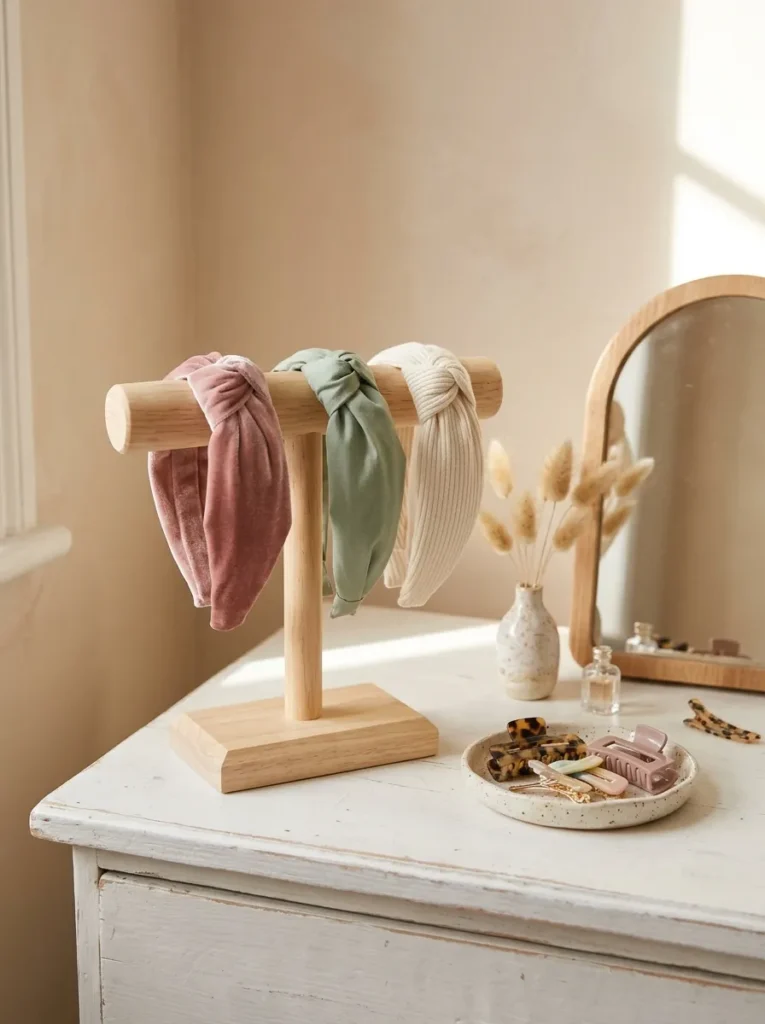
- Trendy accessory that fits almost any head
- Stretch fabric needs only one seam
- Sells in sets across colors
- Quick to make in a single afternoon
One seam, endless colors. A twist headband uses a single stretchy rectangle, which makes it one of the fastest sewing crafts on this list. Teens, adults, and kids all wear them, so your audience stays wide. Choose soft knits, velvet, or ribbed jersey in muted colors for the cleanest look. Selling three headbands in a coordinated set often works better than single pieces, since buyers love a bundle. They are lightweight, ship cheaply, and fit into gift baskets. A neat finish and a comfortable stretch matter most, so test each style on a real head before listing.
Simple shapes win here. Cut a rectangle about sixteen by six inches, with the stretch running along the short side. Fold it in half lengthwise, right sides together, and sew the long edge. Turn it right side out, then twist the tube once to form a knot shape. Overlap the ends, tuck one inside the other, and stitch them closed by hand for a clean finish. Use a ballpoint needle or a stretch stitch so the seams move with the fabric. The finished headbands look chic, comfy, and polished, and they make quick, repeatable stock.
Conclusion
A sewing machine and a pile of scraps can become a tiny shop. You don’t need big projects, just useful pieces made with care and priced fairly. Whether you start with scrunchies, zipper pouches, or lavender sachets, these small sewing crafts to sell show how simple items can turn into a little extra income. I’ve seen how a few well-made products can build confidence as much as profit. Save this post on Pinterest, try one idea this weekend, and share it with a friend who loves to sew. Your first sale may be one batch away.