18 DIY Crochet Crafts to Sell for a Small Business
A few balls of yarn and an evening on the couch can turn into real income. The best crochet crafts to sell are simple, cheap to make, and easy to photograph.
Many beginners get stuck choosing what to make first. This article shares 18 ideas, from mug cozies and scrunchies to chunky blankets and holiday ornaments. Each one includes pricing, yarn tips, and small details that help your listings stand out.
In my experience, starting with small projects builds both skill and confidence. I’ve noticed hobbyists can fill a market table in a month using only leftover yarn. Scroll on, save your favorites, and pick the project that matches your time and budget.
Mug Cozy Sets
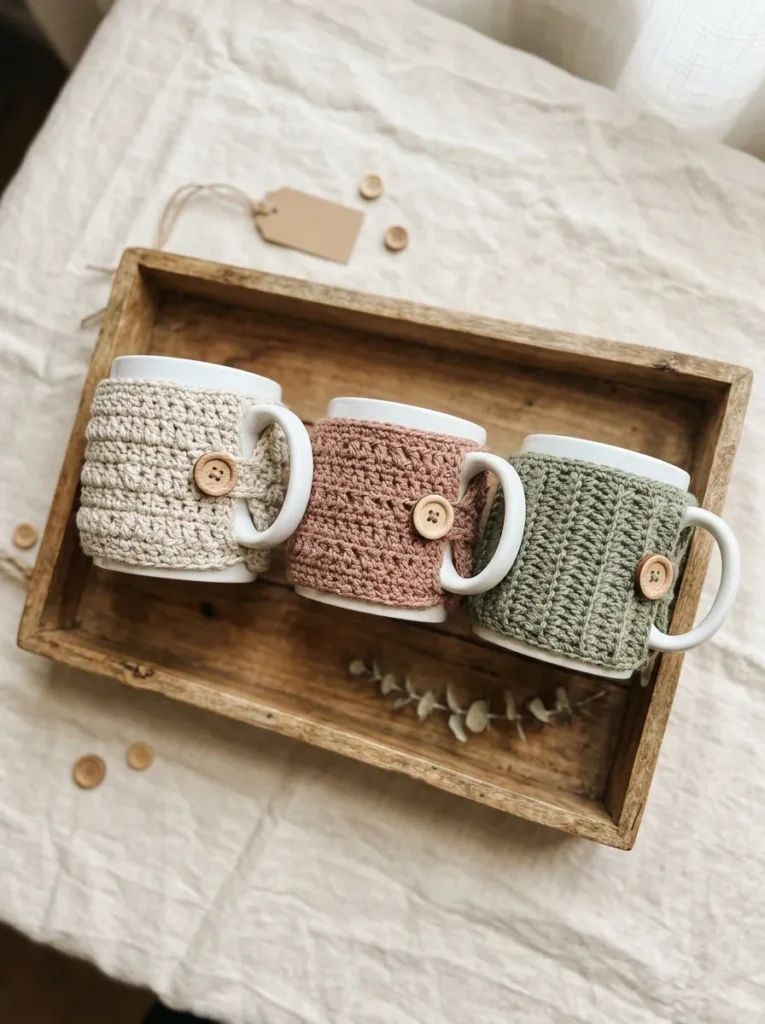
Mug cozies sell because they solve a daily problem: cold coffee on a busy morning. One skein of cotton yarn makes six to eight cozies, so your cost per piece stays under a dollar. They are among the easiest crochet crafts to sell, even for beginners.
I’ve noticed buyers love matching sets of three in neutral colors like oatmeal, sage, and dusty rose. Add a wooden button for a finishing touch, and package each set with kraft paper and a twine tie. Price sets at twelve to fifteen dollars. They sell fastest in fall.
Also view: 20 Small Sewing Crafts to Sell and Make Money Fast
Scrunchie Gift Bundles
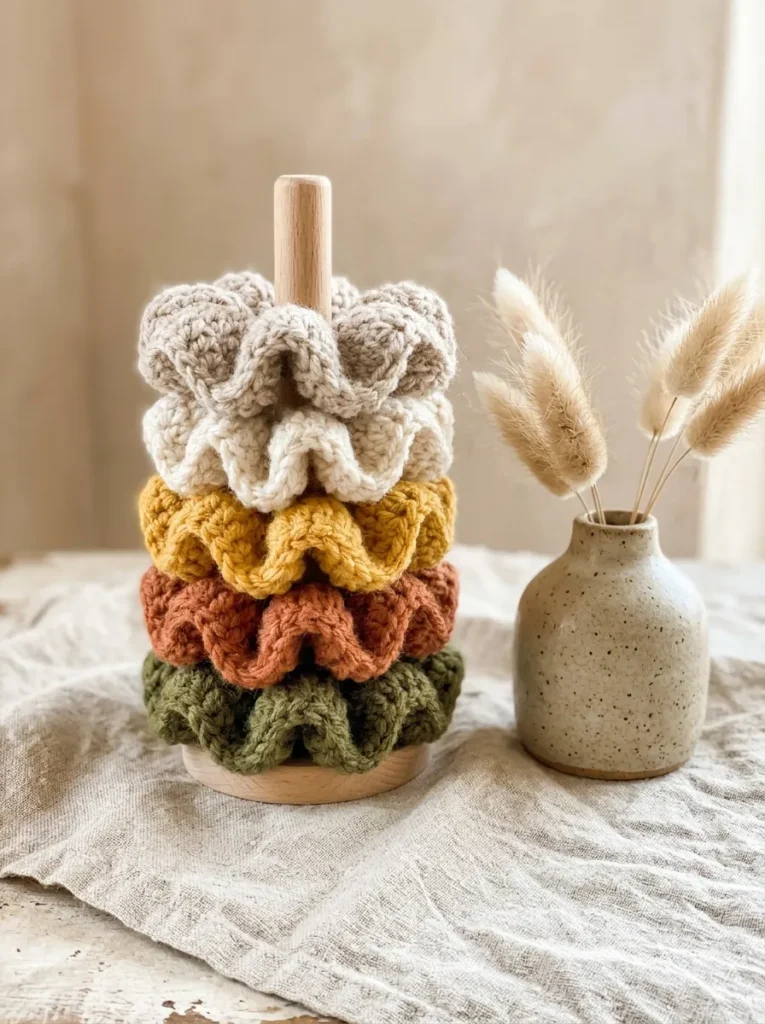
- Fifteen minutes is all one scrunchie takes, so you can finish a full batch in a single evening. Stitch around a standard hair elastic to keep the shape snug.
- Soft cotton blend yarn feels gentle on hair and washes well. Skip scratchy wool, since buyers notice texture right away.
- Bundle three in matching colors and price the set at ten dollars. Singles sell for three to four dollars, so bundling raises your average sale.
- Photograph them stacked on a wooden dowel or wrapped around a wrist. Styled photos grab attention faster than a pile on a table.
- Make a few in neutral shades and a few in bright ones, so every buyer finds a favorite.
Scrunchies often outsell fancier items at small markets, mainly because they cost so little to try. Buyers add them to an order without a second thought. Keep a basket near the register in six or seven colors. Restock your best seller first, because bright shades go quickly.
Mini Plant Pot Covers
Quick Tip:
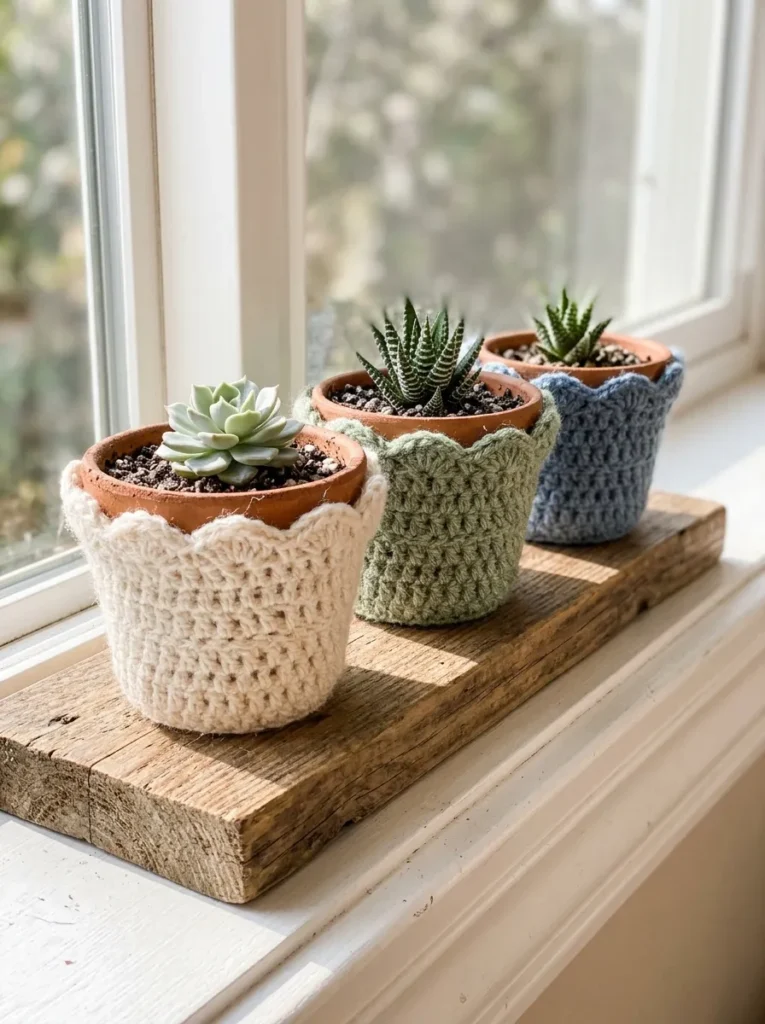
Crochet the cover around a real pot or a paper cup, so the size comes out right every time. Use sturdy cotton yarn, because it holds its shape and handles damp soil. Make each cover slightly taller than the pot, then fold the top edge over for a clean finish.
Plant lovers shop for small touches, and a pot cover costs them less than a new planter. Sell covers alone for five dollars, or pair one with a tiny succulent for fifteen. In my experience, pairs sell faster at markets because the buyer walks away with a finished gift.
Granny Square Coasters
BEFORE: Sweaty glasses leave white rings on a wood table, and a plain cork coaster looks like an afterthought. Shoppers who want something personal pass these by.
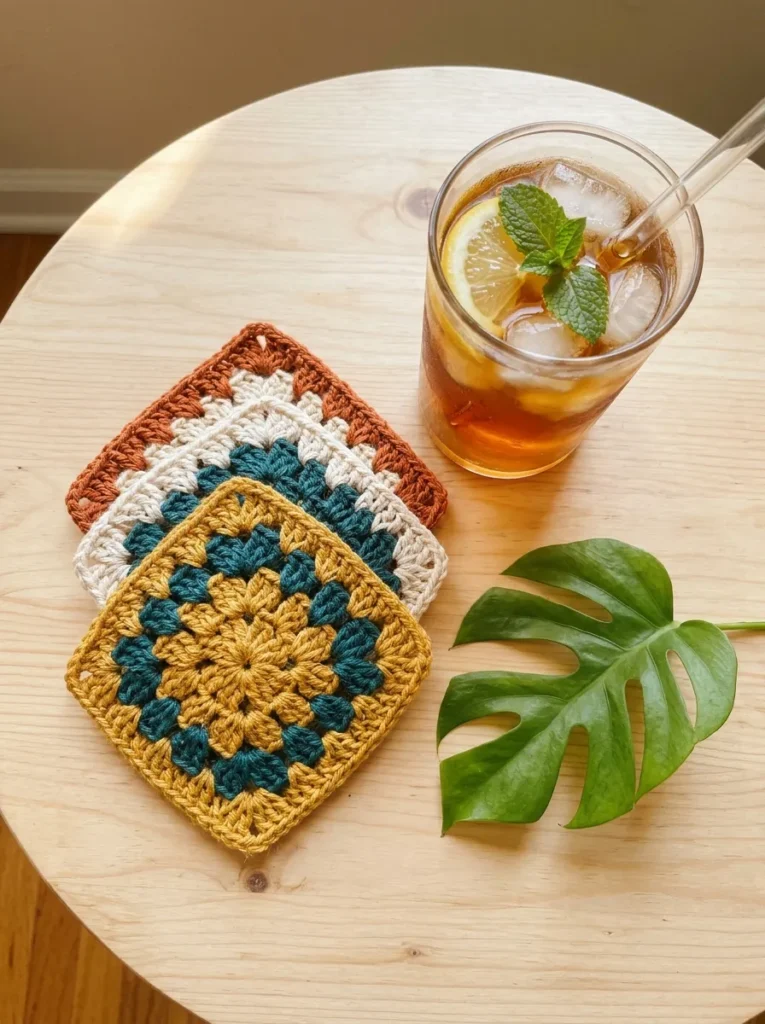
AFTER: A granny square coaster adds color, absorbs moisture, and tells a handmade story. Four in a set look like a ready-made gift.
Cotton yarn is the key, because acrylic does not absorb water. One square takes about fifteen minutes once you know the pattern. Sell sets of four for twelve dollars and tie them with twine. Scraps from other projects work perfectly, so this one turns leftovers into profit.
Cotton Dishcloth Sets
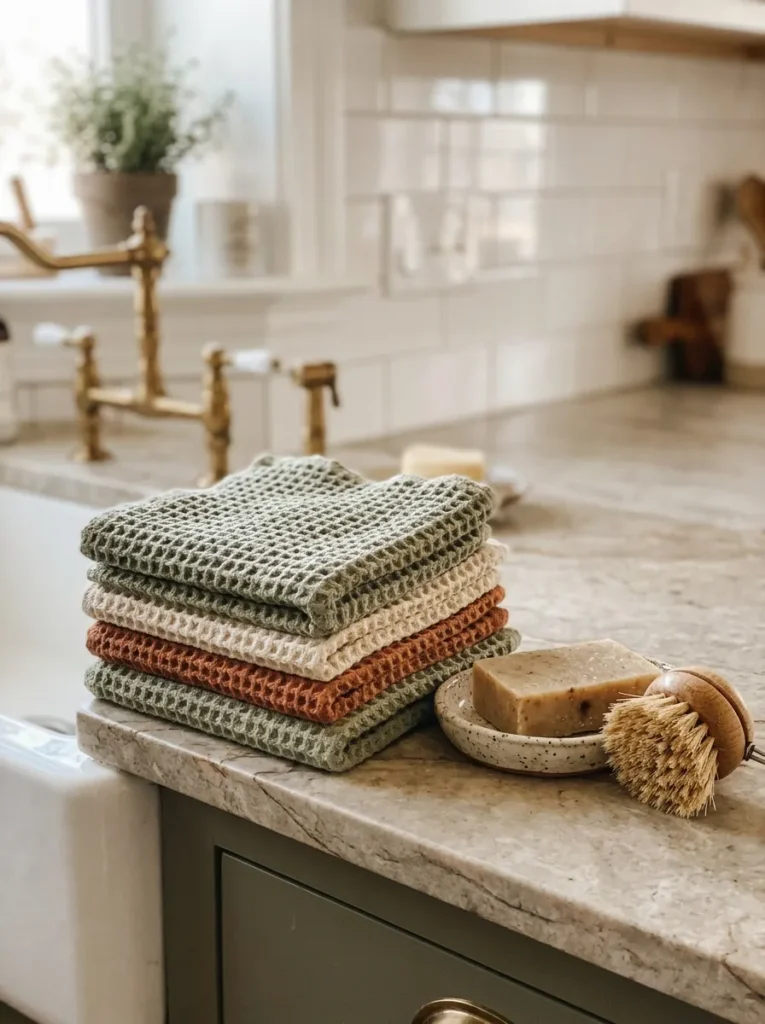
- Every kitchen goes through dishcloths, so demand never slows. Pick 100 percent cotton yarn and a 5 mm hook.
- Chain 30 and work a waffle or seed stitch for texture. Textured stitches scrub better than flat ones.
- Work rows until the cloth is square, about eight inches across. Fasten off and weave in the ends.
- Wash and dry one sample before selling, since cotton can shrink. Note the final size on your label.
- Bundle three cloths with a paper band and a short care note.
Dishcloths sit at the budget end of handmade goods, so they sell to people who rarely buy crafts. A set of three at nine dollars works well for market tables. Shoppers often add a set to their cart as a hostess gift. Cotton runs cheaply, so margins stay healthy.
Amigurumi Mini Animals
| Mini Animals | Large Animals | |
|---|---|---|
| Time | 1 to 2 hours | 6 to 8 hours |
| Yarn | Under one skein | Two or three skeins |
| Price | $12 to $20 | $45 to $70 |
| Best for | Market impulse buys | Custom orders |
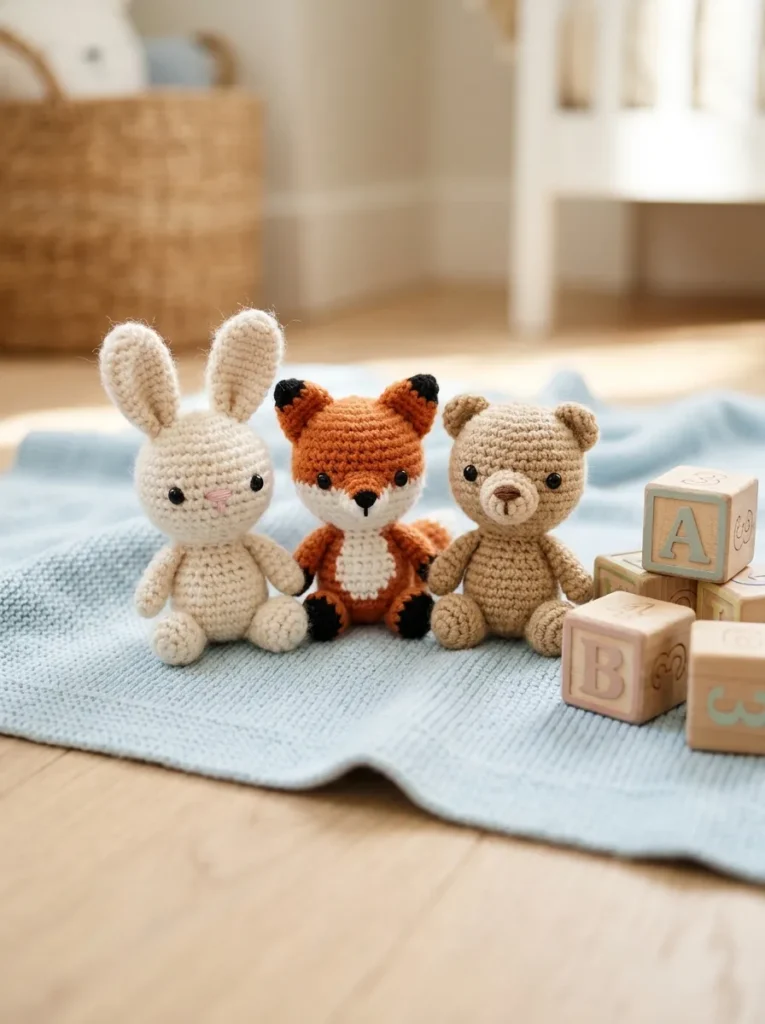
Small amigurumi is where most sellers should start, since a finished piece fits in a pocket and ships cheaply. Use safety eyes only for pieces sold to older kids, and embroider the face for babies. Photograph each animal with a hand for scale, so buyers see how tiny it really is.
Market Tote Bags
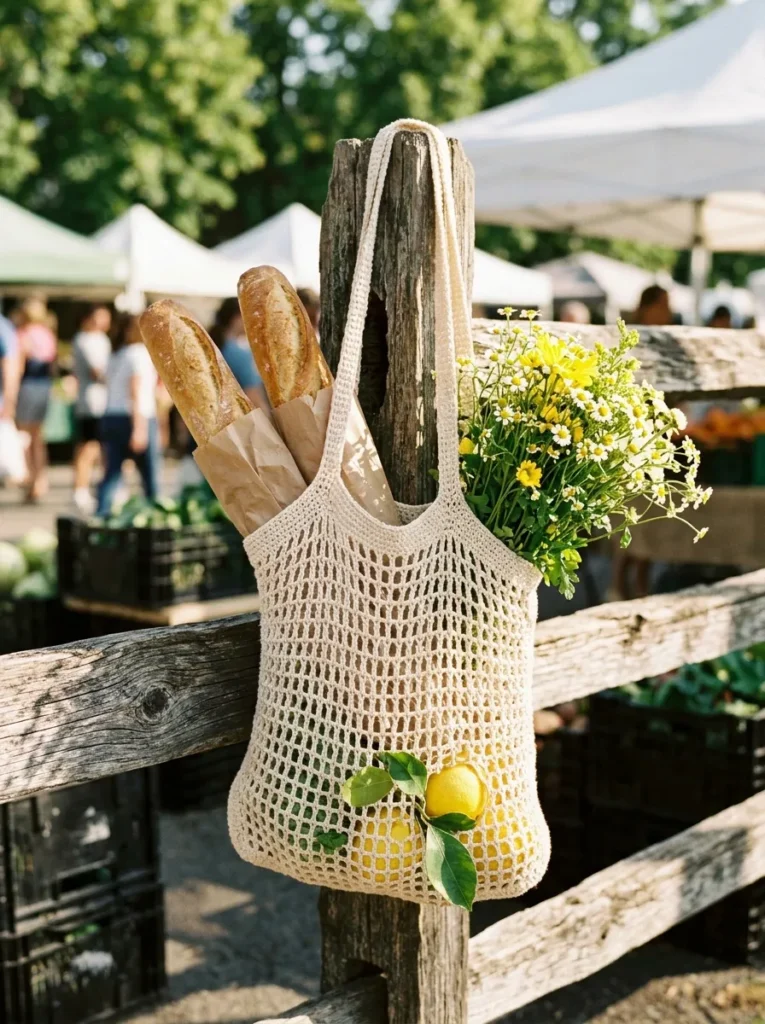
DO:
- Choose sturdy cotton or jute blend yarn that holds its shape.
- Work a tight stitch near the base, so small items do not slip through.
- Reinforce the handles with a double layer of stitches.
- Test the bag with five pounds of groceries before selling.
DON’T:
- Don’t use stretchy acrylic that droops under weight.
- Don’t make handles too short to fit over a shoulder.
- Don’t skip washing a test bag to check shrinkage.
- Don’t list a bag until you have photographed it full.
Totes are practical, so buyers spend more without guilt. Many sellers price totes between twenty and thirty-five dollars. Hang a finished bag from your table with fruit inside, so shoppers see how much it holds. Spring and summer bring the best sales. Reusable bags also suit shoppers cutting back on plastic.
Baby Beanie Hats
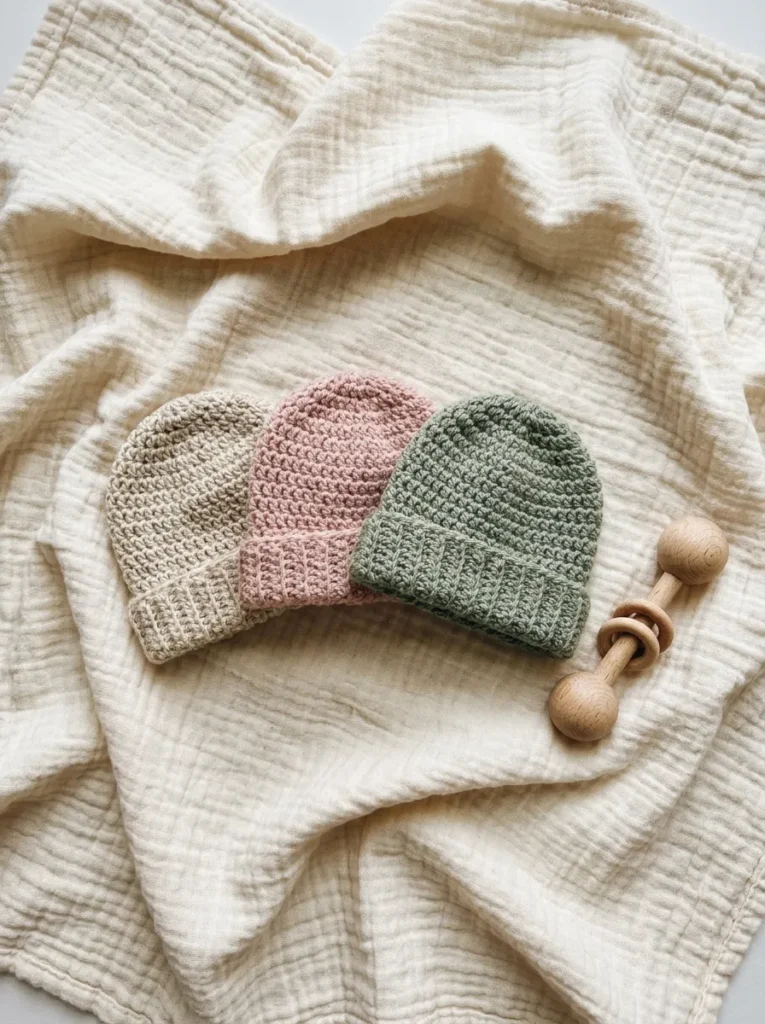
Cost: About 2 dollars per hat
Time: One to two hours
Skill Level: Beginner
Best For: Baby showers and newborn gifts
New parents shop for soft things, and a handmade beanie feels personal in a way a store one does not. Pick soft cotton or baby friendly acrylic that washes easily. Offer three sizes, newborn, three months, and six months, since buyers worry about fit. Skip buttons and loose pom poms, because they can detach.
Boho Wall Hangings
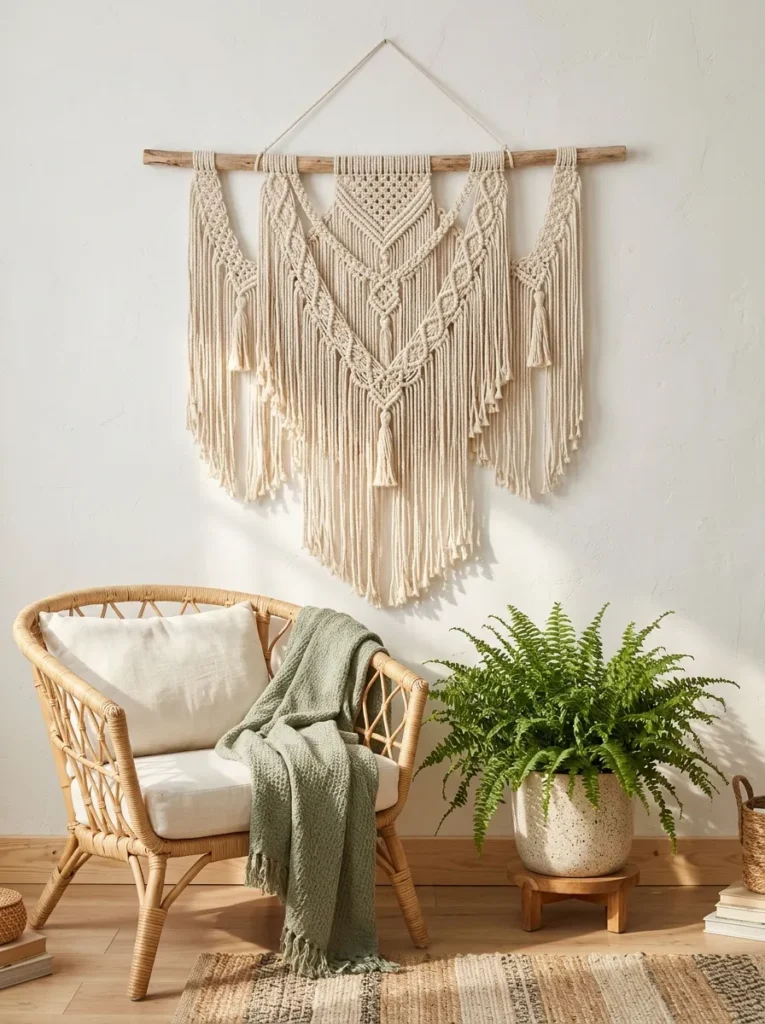
Bare walls are a problem every renter knows, and a boho hanging solves it without a single hole bigger than a nail. A wooden dowel, cotton cord, and a simple fringe finish the look. Most pieces take two to three hours and cost under ten dollars.
Size matters for sales. Small hangings around twelve inches wide ship flat and sell for twenty to thirty dollars, while large ones suit custom orders. In my experience, buyers want a photo against a real wall, so hang a sample at home and shoot it in daylight.
Cozy Infinity Scarves
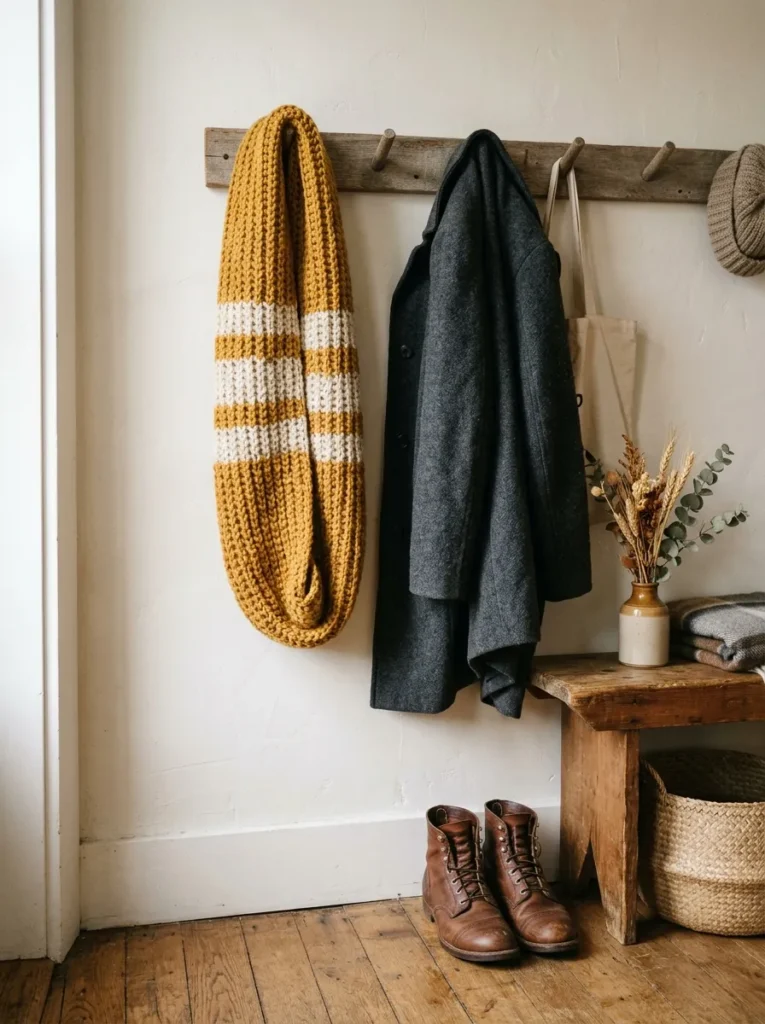
- Cold weather sells itself, so scarves move best from October through January. Start listing in September to catch early shoppers.
- Chunky yarn works up in two to three hours. Choose soft acrylic blends or merino to avoid itch, since neck skin is sensitive.
- Make the loop about sixty inches around, which fits most buyers when doubled.
- Work stripes in two colors, so you can use up leftover yarn.
- Photograph the scarf worn, not flat, because buyers want to see the drape.
Scarves sell at a higher price than small items, so one sale covers a lot of yarn. Wash a test piece before listing, and include care instructions on a tag. Weave in every end, because loose tails are the first thing shoppers check. Finish with a quick lint roll before photos.
Keychain Plushies
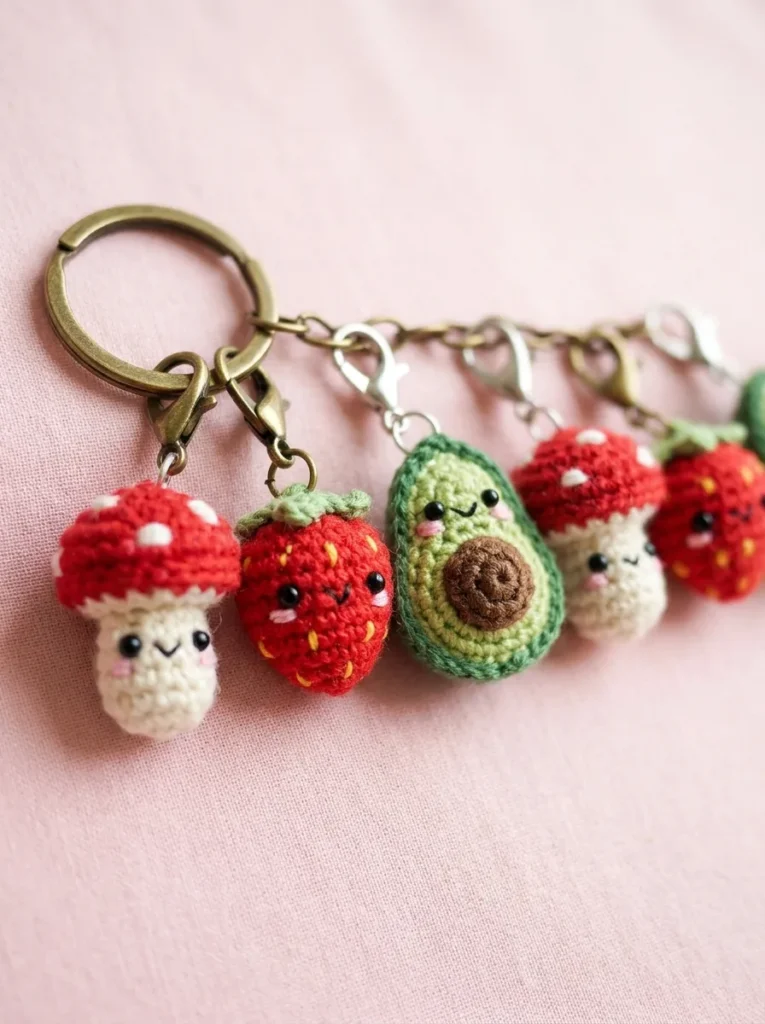
Quick Tip:
Keep keychain plushies under three inches, so each one uses only a few yards of yarn. Attach the metal clasp with a sturdy loop of yarn sewn through the body twice. Stuff firmly, because a floppy plush looks unfinished on a keyring.
Tiny food shapes are social media favorites, and buyers often snap up several at once. Price each at six to nine dollars, or sell three for fifteen. Display them clipped to a pegboard or a hoop at your table. Bright colors draw eyes from across the room.
Lacy Table Runners
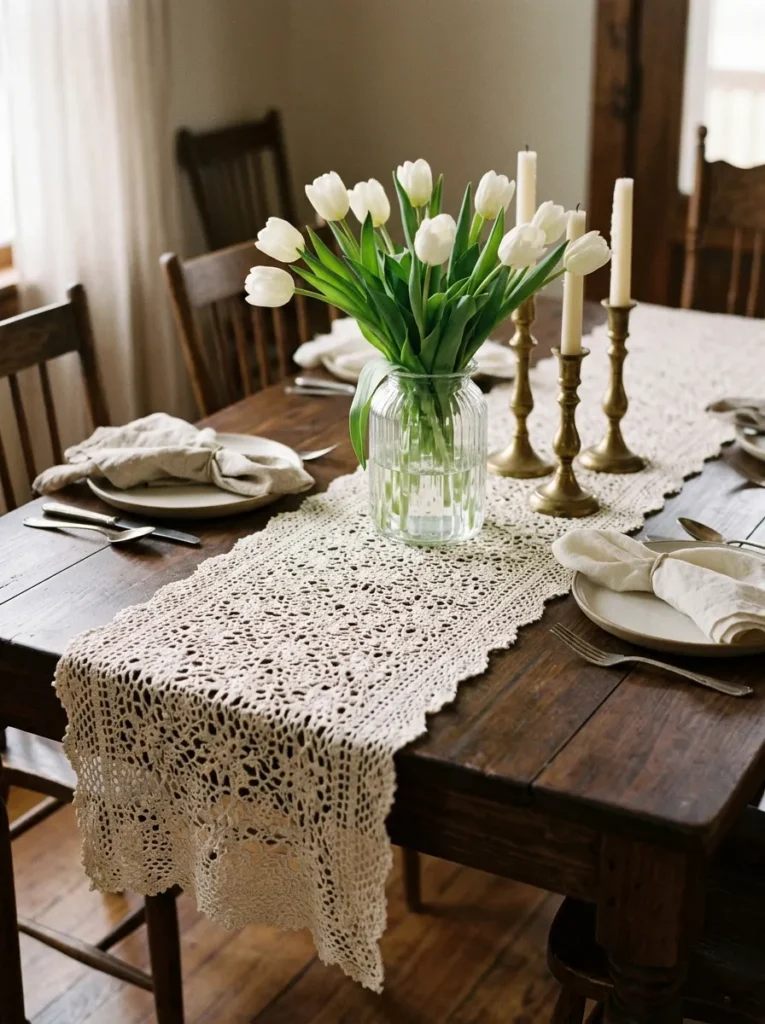
BEFORE: A bare dining table feels cold, and a store bought runner looks the same as every neighbor’s. Shoppers who want something personal pass these by.
AFTER: A lace runner adds soft texture and a story. Guests ask who made it, and that question sells the next piece.
Runners take longer than small crafts, so price them at forty to sixty dollars to match the hours. Use fine cotton thread and a small hook for crisp lace. Offer a few standard lengths, thirty six and fifty four inches, so buyers can pick without measuring. Starch the finished piece lightly for shape.
Chunky Headbands
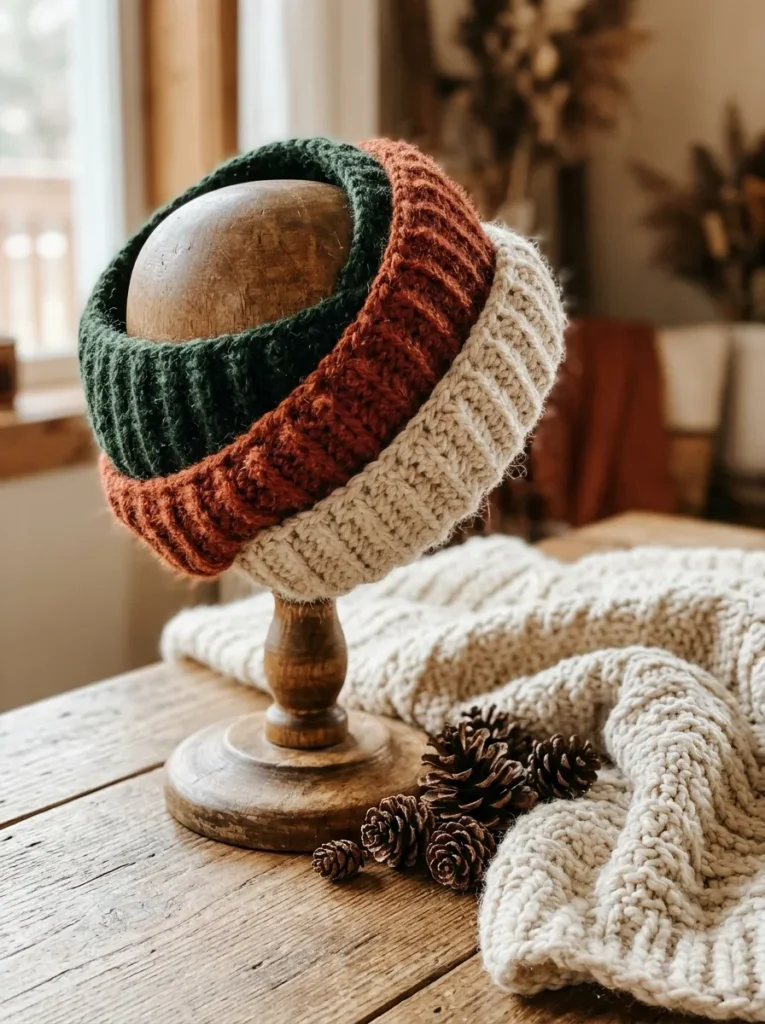
- Fast projects keep a shop stocked, and a headband takes under an hour. Grab bulky yarn and a 9 mm hook.
- Chain 12 and work rows of half double crochet in the back loops for a ribbed look.
- Stop when the band reaches about 20 inches, which fits most adult heads.
- Sew the short ends together, then twist the band once for a classic front twist.
- Weave in the ends and attach a small tag with your shop name.
Headbands are a smart winter product, so list them by early October. They photograph well on a model or a mannequin head, which helps shoppers judge size. Include the measurement and yarn type in your listing to cut down on questions. Price them near fifteen dollars.
Fingerless Gloves
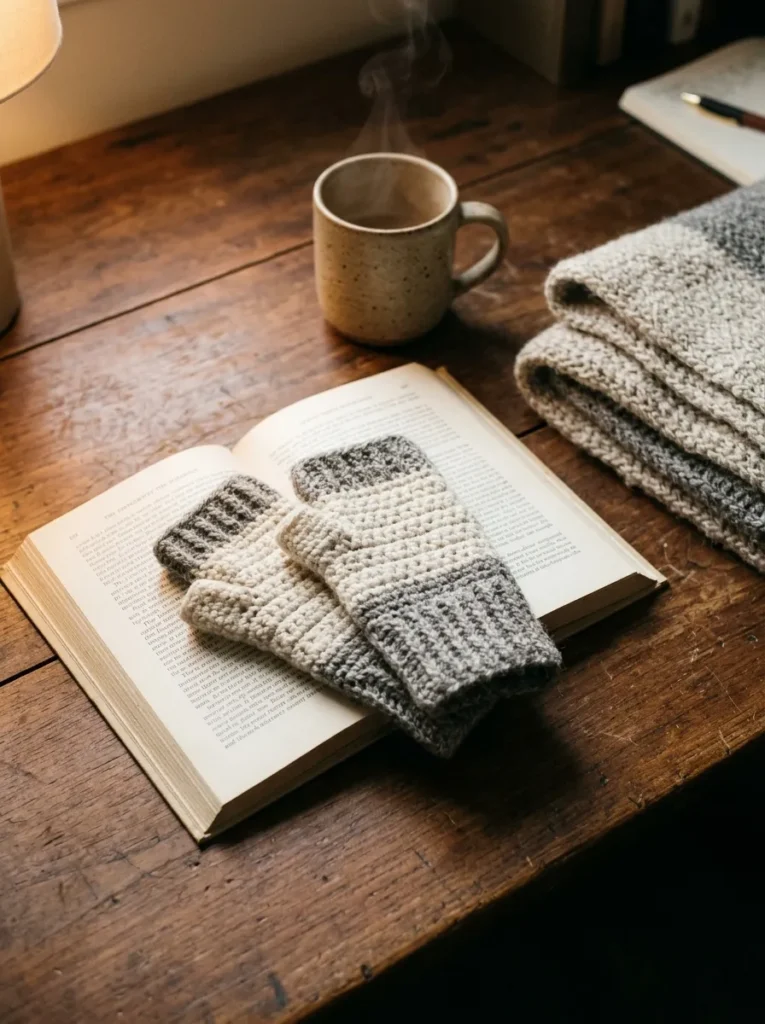
| Basic Pair | Detailed Pair | |
|---|---|---|
| Time | About 1 hour | About 2 hours |
| Price | $12 to $15 | $22 to $28 |
| Buyer | Everyday wear | Gift shoppers |
| Extras | One color | Two colors and buttons |
Typing, scrolling, and driving all call for free fingertips, so these gloves solve an everyday problem. Add a note that they fit most adult hands and list the cuff length. Shoppers often buy a pair for themselves and one for a friend. A matching scarf makes a natural upsell.
Hanging Plant Holders
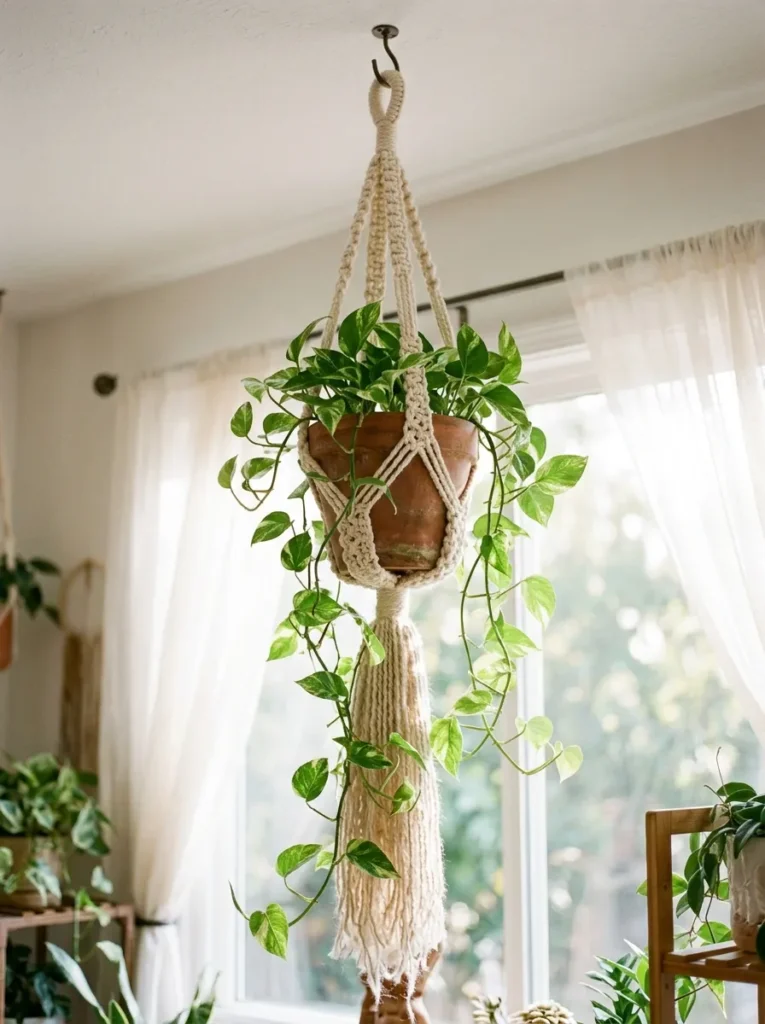
DO:
- Use strong cotton cord that supports the weight of a filled pot.
- Make the base cradle snug, so the pot cannot tip.
- Add a sturdy metal ring at the top for hanging.
- State the pot size that fits in your listing.
DON’T:
- Don’t use thin yarn that stretches under weight.
- Don’t suggest adhesive hooks, which may not hold wet soil.
- Don’t skip testing with a watered pot, since water adds weight.
- Don’t sell without clear hanging instructions.
Plant hangers fit small apartments, because they free up shelf and floor space. Many sellers price them between ten and twenty dollars, depending on size. Photograph one with a healthy pothos or spider plant, since buyers see their own plants in it right away. Small pots sell fastest.
Bookmark Sets
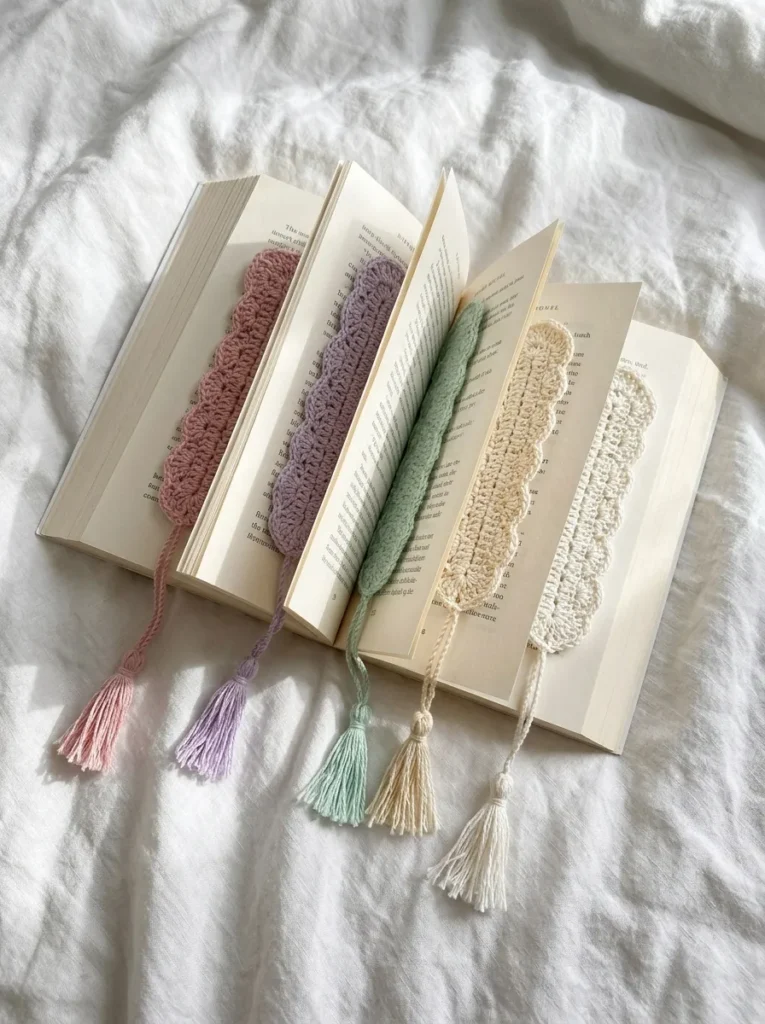
Cost: Under 1 dollar each
Time: About 20 minutes
Skill Level: Beginner
Best For: Bookworms, teachers, and party favors
Readers always need a place to keep their page, and bookmarks ship in a standard envelope. Thin cotton thread keeps the piece flat in a book. Sell sets of three for eight dollars, and offer bulk packs of ten for weddings or classrooms. Package each set in a small cellophane bag.
Holiday Ornaments
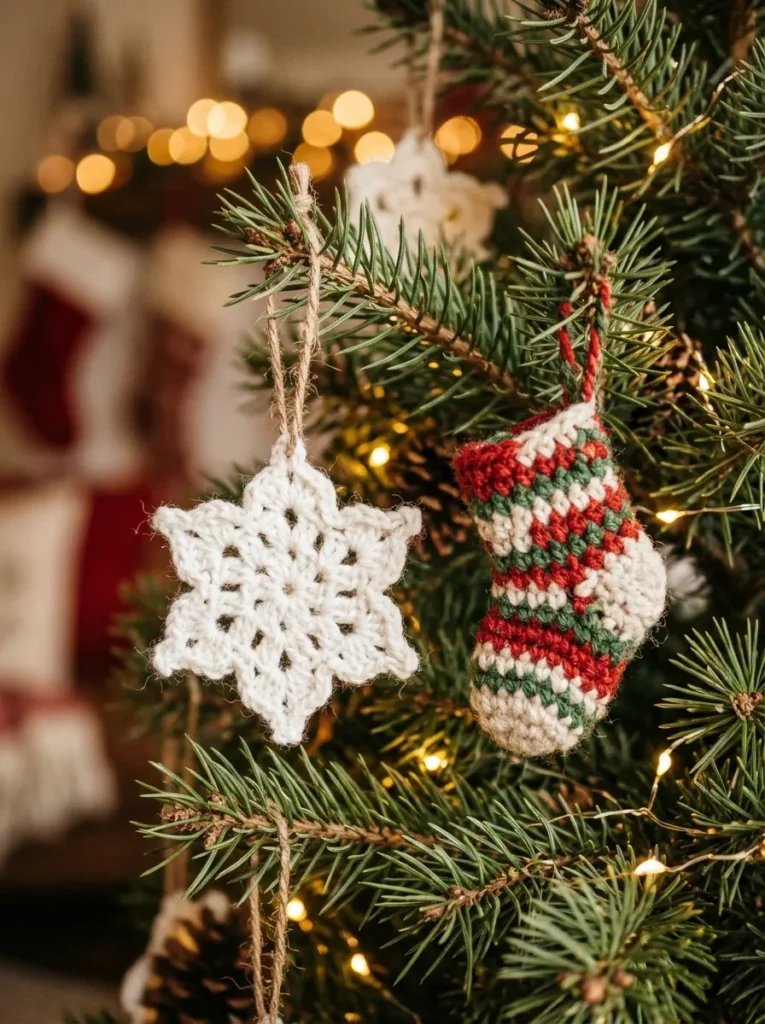
Ornaments become a seasonal rush, and sellers who start early catch the biggest wave. Begin making them in August, when yarn and time are both easy to find. Small snowflakes work up in ten minutes with thin cotton thread and hold their shape after a starch dip.
Sell ornaments singly for four dollars, or in sets of six for eighteen. Attach a small card with a care note, since buyers store them for years. Gift exchanges and teacher presents drive many sales, so mention both in your listing. Post a clear last order date for December delivery.
Chunky Blanket Throws
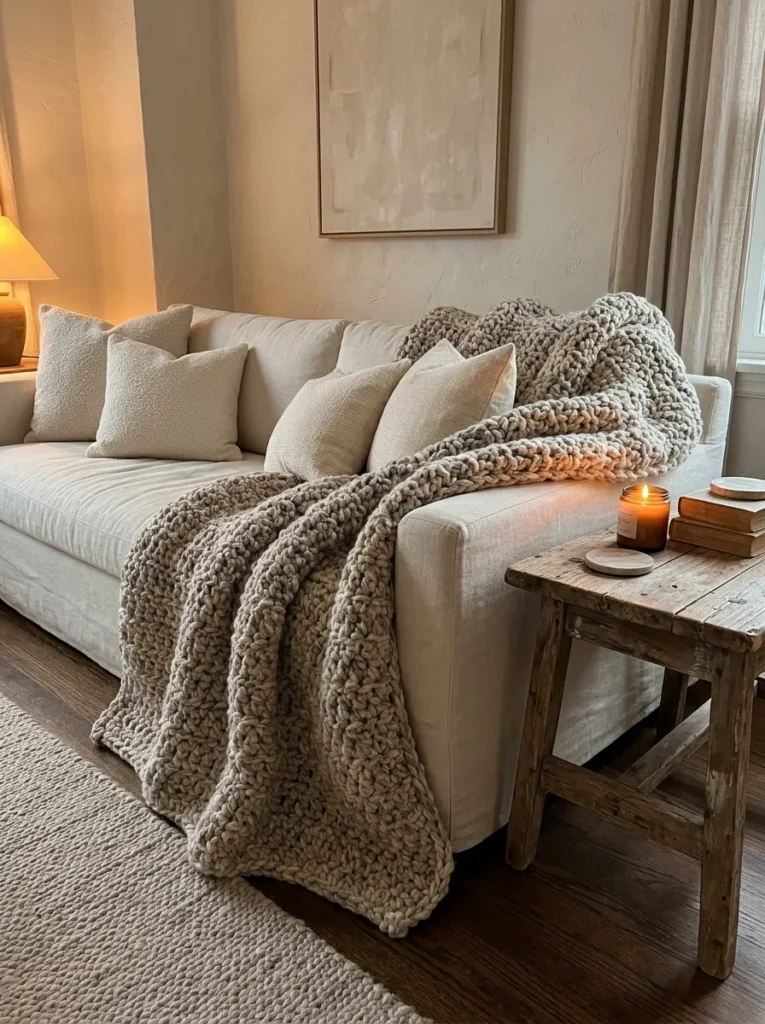
- Big projects bring the biggest price tags, so treat a throw as your showpiece. Pick a simple stitch like double crochet that works up fast.
- Jumbo yarn finishes a blanket in a weekend. A large throw can use forty dollars or more in yarn, so price with that in mind.
- Stick to a standard size of about 50 by 60 inches. It fits most sofas and ships in one box.
- Start with neutral colors like oatmeal, cream, and gray, which suit most living rooms.
- Take photos in daylight on a real sofa, since the thick texture shows best in soft light.
A blanket is the item buyers remember, so show it in a real room with a cup of tea nearby. Share a short video of the yarn texture, since touch is what shoppers cannot feel online. Accept custom colors, because many buyers will wait for a blanket in their own palette.
Conclusion
You do not need a studio or a big budget to start earning from yarn. You need one good pattern, a handful of colors, and the courage to list your first piece. Pick two or three projects from this list and make a small batch this week. I’ve seen how a single sold scrunchie can spark the confidence to keep going. Save this post on Pinterest so your favorite crochet crafts to sell are easy to find. Then share the article with a friend who loves yarn as much as you do. Your first sale is closer than you think.